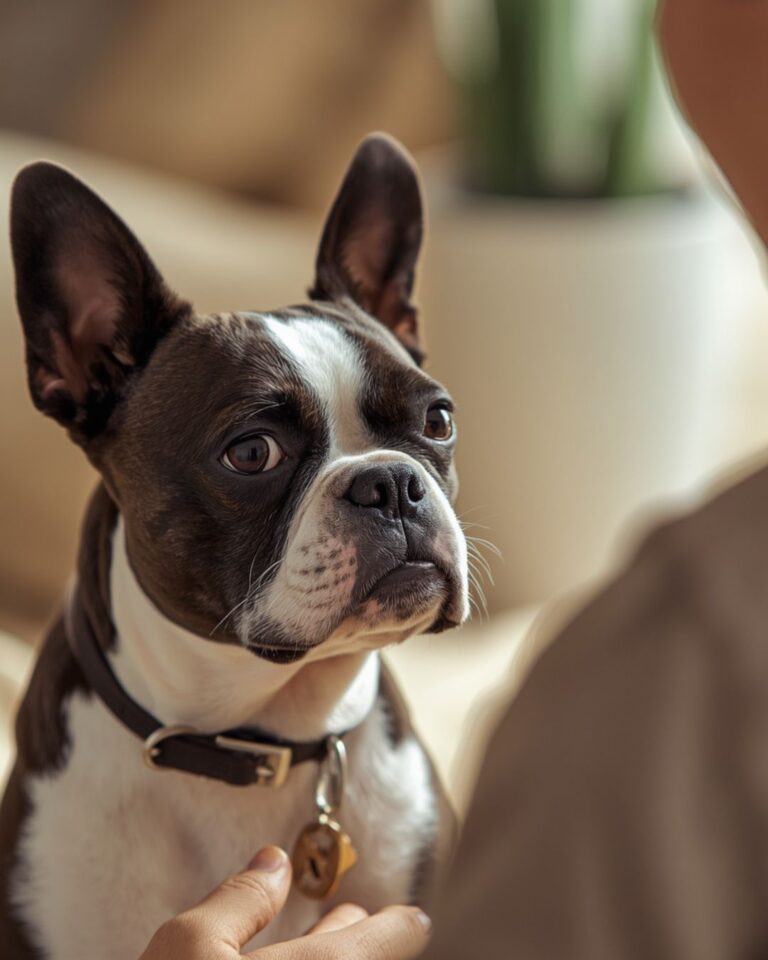

Back to School: How to Help Your Dog Stay Home Alone Again Without Stress
Summer is almost over.
The kids are going back to school.
Vacations are coming to an end.
A house that has been full of people for months suddenly becomes quiet.
And there’s one family member who often struggles with that change the most.
Your dog.
If your dog spent the whole summer surrounded by family, playing with the kids, going on extra walks, and hardly ever staying home alone, going back to the usual routine can be a big shock.
If you’re raising a young dog, these changes can be even harder. Here’s how to help your puppy adjust during the first weeks at home: 10 Signs Your Puppy Is Happy in Their New Home
A lot of owners think:
“They’ll get used to it in a day or two.”
Sometimes they do.
But many dogs don’t.
Some will start whining.
Others will bark.
Some will begin chewing furniture or shoes.
And some will simply sit by the front door for hours, waiting for someone to come home.
The good news is that most of this can be prevented.
Why Is Back to School So Hard on Dogs?
Dogs love routines.
When that routine suddenly changes, they don’t understand why.
Yesterday everyone was home.
Today the house is empty.
Your dog doesn’t know the kids went back to school.
They don’t know you’re at work.
They only know that the people they love have disappeared.
That’s why many dogs show signs of separation anxiety for the first time when school starts again.
Even dogs that have never had trouble staying home alone before.
Which Dogs Have the Hardest Time?
Any dog can struggle with this change, but some are especially sensitive.
These include:
- Puppies
- Small companion dogs
- Dogs that are extremely attached to their owners
- Rescue or adopted dogs
- Senior dogs
- Dogs that have struggled with being left alone before
If you have a Bolognese, Maltese, Pomeranian, Yorkshire Terrier, Shih Tzu, or Chihuahua, there’s a good chance they’ll notice the change much more than other breeds.
These dogs were bred to spend most of their lives close to people.
Signs Your Dog Is Struggling With the New Routine
Pay attention to changes in your dog’s behavior.
Common signs include:
- Whining when you leave
- Constant barking
- Scratching at the door
- Chewing furniture or shoes
- Refusing to eat while alone
- Excessive panting
- Having accidents in the house even though they’re house trained
- Following you around the house constantly
If you notice several of these signs, don’t ignore them.
The sooner you help your dog, the easier the problem usually is to solve.
Don’t Suddenly Leave Your Dog Alone for Eight Hours
This is one of the biggest mistakes owners make.
During the summer, your dog was almost never alone.
Then suddenly, on the first day back to school, they’re left alone for an entire workday.
For many dogs, that’s simply too much.
A much better approach is to start preparing a few days before school begins.
Leave for ten minutes.
Then twenty.
Then thirty.
Gradually increase the amount of time your dog spends alone.
That way, the change won’t feel so overwhelming.
Burn Off Some Energy Before You Leave
A tired dog relaxes much more easily.
Before leaving the house:
- Take your dog for a walk.
- Let them sniff as much as they want.
- Practice a few short training sessions.
- Spend ten or fifteen minutes playing together.
Mental exercise is often even more important than physical exercise.
A dog that has been thinking, searching for treats, or solving simple puzzles is much more likely to settle down and relax.
If hot weather is still making walks difficult, read How to Keep a Small Dog Cool During a Heatwave for safe exercise ideas.
Leave Something Fun to Do
If your dog is left completely alone in a quiet house with nothing to do, they’ll spend much more time thinking about you leaving.
Better options include:
- Food stuffed rubber toys
- Snuffle mats
- Puzzle toys
- Safe long lasting chews
These help your dog stay busy and make alone time much less stressful.
Frozen treats can also help keep your dog busy while you’re away. Try these 5 Easy Homemade Dog Ice Cream Recipes.
Don’t Make Leaving a Big Emotional Event
Many owners accidentally make things worse.
They say:
“I’ll be back soon.”
“Don’t cry.”
“Be a good dog.”
Your dog doesn’t understand the words.
But they understand your emotions perfectly.
If you’re anxious, there’s a good chance your dog will become anxious too.
The best goodbye is a calm one.
No long speeches.
No dramatic hugs.
No emotional goodbyes.
Simply leave calmly.
The Same Rule Applies When You Come Home
Of course you’re happy to see your dog again.
But try waiting a minute or two before greeting them.
If every reunion becomes the biggest event of the day, your dog will have an even harder time when you leave again.
A calm return helps create calmer departures.
Should You Leave the TV On?
Some dogs seem to enjoy it.
Others couldn’t care less.
What’s much more important is helping your dog feel safe.
A comfortable bed.
A familiar resting spot.
Fresh water.
A comfortable room temperature.
And enough physical and mental activity before they’re left alone.
When Should You Ask for Professional Help?
If your dog:
- Barks for hours without stopping
- Tries to escape the house
- Injures themselves
- Refuses to eat
- Panics every time you pick up your keys
it’s time to speak with a qualified dog behavior professional.
The earlier you address the problem, the easier it usually is to solve.
The Most Important Thing to Remember
Your dog isn’t being stubborn.
They’re not being disobedient.
And they’re certainly not trying to punish you.
They’re simply trying to cope with a major change that happened almost overnight.
Building trust with your dog every day also makes transitions like this much easier. Read Signs Your Dog Trusts You (Most Owners Miss These).
With a little patience, a gradual return to routine, and a few simple habits, most dogs quickly learn to feel comfortable staying home alone again.
And that’s the best way to make the start of the new school year less stressful for both you and your best friend.
Many dogs spend the summer with family almost all day. When everyone suddenly returns to school and work, the change in routine can cause stress and separation anxiety.
Start a few days before school begins by gradually increasing the time your dog spends alone. Combine this with exercise, mental enrichment, and a calm departure routine.
Puppies, small companion breeds, rescue dogs, senior dogs, and dogs that are very attached to their owners are usually more sensitive to sudden routine changes.
Some dogs find background noise comforting, while others ignore it completely. Regular exercise, mental stimulation, and a predictable routine are usually much more important.
Written by Nataša Miranović