AUTOMATIC DOG FEEDER: IS AN AUTOMATIC DOG FEEDER REALLY A SMART PURCHASE?
Imagine this.
You’re rushing to work in the morning.
Your phone is ringing.
Your coffee is getting cold on the table.
And your dog?
He’s sitting next to his bowl, looking at you as if the last time he ate was three days ago.
Should you feed him earlier?
Will he be hungry later?
Will he end up eating a double portion again?
If you have a dog, you know that look.
And this is exactly where the story begins about a device that has become increasingly popular among dog owners around the world in recent years: the automatic pet feeder.
But is it really a smart investment, or just another modern gadget for pets?
In this article, I’ll explain everything: how it works, its advantages, its drawbacks, and who actually needs an automatic dog feeder.
From the perspective of someone who has worked with dogs for years.
No marketing.
No sugar-coating.
What Is an Automatic Dog Feeder and How Does It Work?
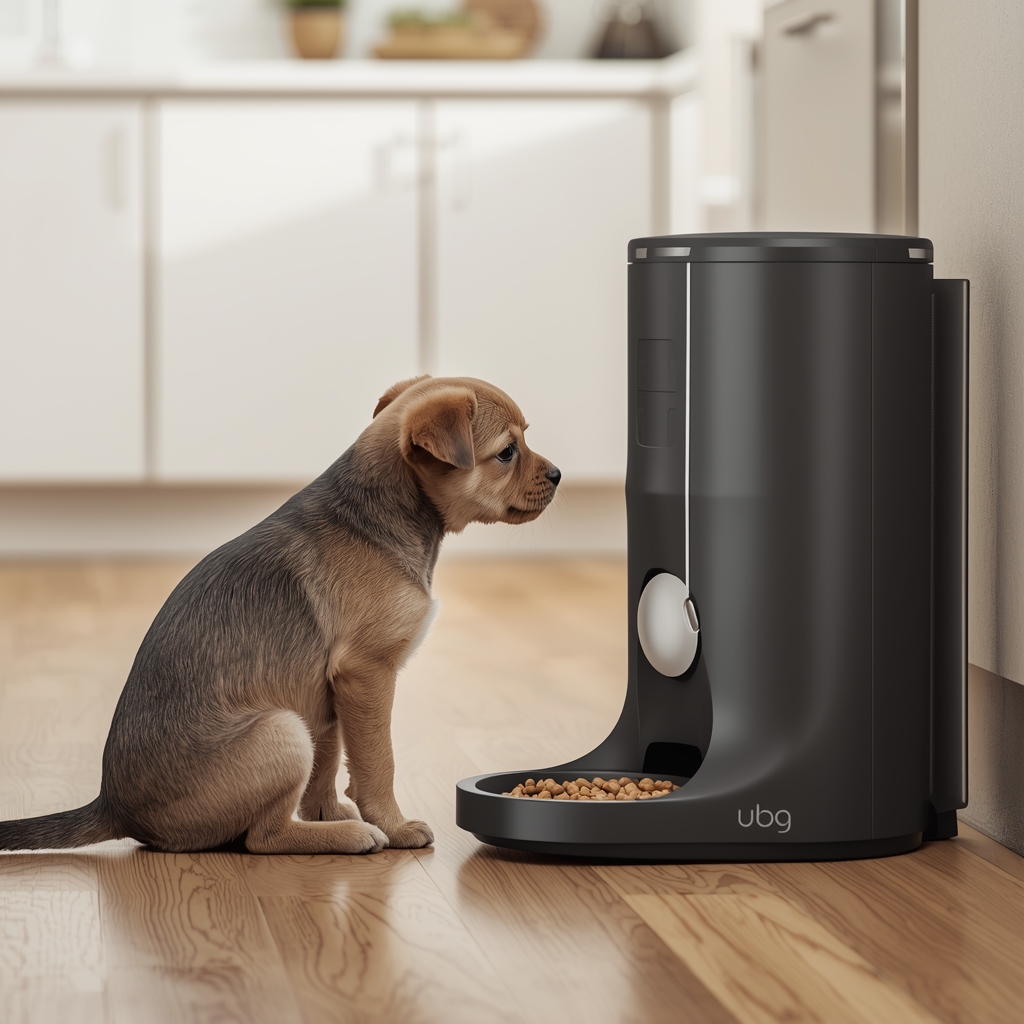
An automatic dog feeder is a device that automatically dispenses food for your dog at a predetermined time and in a precise amount.
In other words: digital control of your dog’s meals.
Most modern models include:
- a meal timer
- portion control
- a food storage container
- a mobile app
- a camera and microphone (on smart models)
The food is stored in a reservoir, and at the scheduled time the device releases a precisely programmed portion into the bowl.
Without your presence.
Without guessing.
Without the “just one more handful.”
For many dogs, this means a more stable daily rhythm and less stress because meals appear at the same time every day.
And dogs love routine.
Automatic Dog Feeder – The Biggest Advantages
If you ask me, as someone who has worked with dogs for years, what the main benefits of an automatic feeder are, I would say there are three key reasons why dog owners start using one.
1. Perfect Portion Control
Let’s be brutally honest.
The biggest cause of obesity in dogs is – the owner.
One extra handful.
One extra treat.
One “just a little bit more.”
An automatic feeder eliminates that.
The portion is the same every single time.
This precise control of food helps maintain a healthy body weight for dogs.
And that means:
- fewer joint problems
- lower risk of diabetes
- a longer life
And that’s a big deal.
2. Ideal for People Who Work
Do you work shifts?
Do you get home late from work?
Do you travel occasionally?
An automatic feeder solves the problem of regular meals.
Your dog gets food at the same time even when you’re not at home.
This is especially useful for people with unpredictable schedules or long working hours.
But remember one thing.
A feeder can give food.
It cannot replace you.
Interaction, playtime, and walks are still irreplaceable.
3. Less Begging for Food
If your dog associates you with food, he’ll follow you around the house.
If the food comes from a machine…
Your dog starts waiting for the machine, not for you.
It sounds funny, but it works.
Many owners notice that their dogs beg less for food because they know their meal arrives at a specific time.
Routine calms a dog.
Automatic Dog Feeder – New Features That Change Everything
Technology has gone further than many people realize.
Today, smart feeders can include:
- Wi-Fi control
- a mobile app
- a camera
- two-way audio
- voice messages for your dog
- meal notifications
Some models even record how much your dog has eaten.
Imagine being at work and seeing on your phone that your dog is eating right now.
A little futuristic.
But very practical.
Disadvantages of Smart Dog Feeders (and Why You Should Know Them)
There’s no such thing as a perfect device.
And I don’t like articles that sound like advertisements.
So let’s be honest.
1. They Can Break
Every electronic device can fail.
Sometimes food gets stuck in the mechanism, or the device simply doesn’t release the meal.
That’s why I never recommend relying on an automatic feeder as the only feeding system if you are traveling for several days.
Always have a backup plan.
2. Most Work Only With Dry Food
Most automatic feeders are designed for dry kibble.
Wet food can spoil or clog the mechanism.
There are new models designed for wet food, but they are still relatively rare.
3. Dogs May Try to Break Into It
If you have a dog who is obsessed with food…
He will try to open the feeder.
Large or persistent dogs may knock it over or attempt to get the food out.
That’s why the stability of the device is important.
4. The Price Can Be High
Basic feeders cost around $50.
Smart models often cost over $200.
But if you buy a quality model, it can last for years.
How to Choose the Best Automatic Dog Feeder
If you are planning to buy one, pay attention to a few things.
Food Capacity
Larger dogs need a larger reservoir.
3 to 5 liters is the most common capacity.
Portion Control
A good feeder dispenses food precisely.
That’s the key.
Stable Base
Dogs love pushing things around.
Weight and stability matter.
Backup Battery
If the power goes out, the feeder still needs to work.
Do I Recommend an Automatic Dog Feeder?
Yes.
But not to everyone.
An automatic feeder is a great option if:
- you work long hours
- you want precise portion control
- your dog eats too fast
- you want a consistent feeding schedule
But it’s not the solution for everyone.
If you’re always at home and enjoy the ritual of feeding your dog, you may not need one at all.
Because feeding a dog is not just giving food.
It’s a moment of communication.
A look.
A wagging tail.
A small ritual of trust.
And no machine can replace that.
My Conclusion (An Honest Opinion)
Automatic feeders are not the future.
They are already the present.
And they can be a fantastic tool for dog owners who want:
- a better routine
- weight control
- convenience
But remember this.
A feeder can give food.
But only you can give your dog what he truly needs:
attention
and love.
Written by Nataša Miranović

You May Also Like

WHAT FOODS SHOULD DOGS NEVER EAT?

PROS AND CONS OF THE MALTESE BREED