
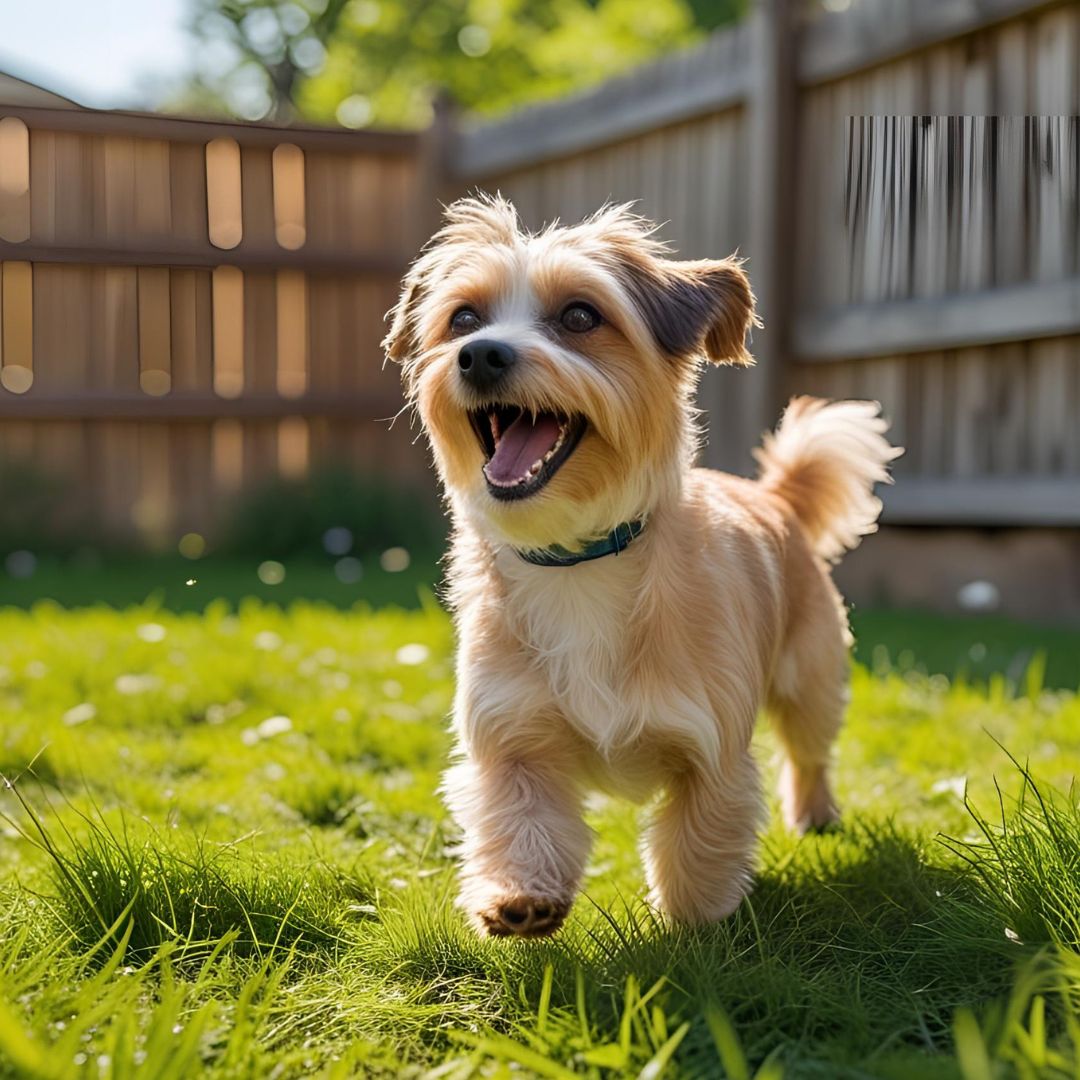
HOW TO STOP EXCESSIVE DOG BARKING WITHOUT YELLING OR PUNISHMENT
Your dog is not barking to drive you crazy.
He is talking to you.
Barking is how dogs communicate excitement fear boredom and frustration. But when barking becomes constant loud and seemingly endless it can quickly turn into a serious problem. For you and for everyone around you.
Here is the truth most owners do not want to hear.
Excessive barking is rarely the dog’s fault.
It is almost always a sign of unmet needs confusion or anxiety.
The good news? Barking can be reduced.
Not with yelling. Not with punishment.
But with understanding structure and consistency.
Let me show you how.
WHY DOGS BARK TOO MUCH
Before you try to stop barking you need to understand why it is happening.
Because you cannot fix a behavior you do not understand.
The most common reasons for excessive barking are:
• Boredom and lack of mental stimulation
• Too much unused energy
• Fear and insecurity
• Protective instincts
• Attention seeking behavior
• Reaction to people dogs noises or movement
• Separation anxiety
Every bark has a reason.
Your job is to find it.
DIFFERENT TYPES OF DOG BARKING AND WHAT THEY MEAN
Not all barking is the same.
And treating every bark the same way is a mistake.
Alert barking
Your dog hears or sees something unusual and wants to warn you.
Attention seeking barking
Your dog wants interaction food or your focus.
Territorial barking
Triggered when someone approaches your home yard or car.
Fear based barking
Caused by insecurity loud noises strangers or past trauma.
Frustration barking
Happens when your dog cannot reach something or is restrained.
Separation anxiety barking
Appears when your dog is left alone and feels panic.
Once you recognize the type of barking you can respond correctly instead of reacting emotionally.
STEP ONE EXERCISE YOUR DOG MORE THAN YOU THINK YOU SHOULD
A tired dog is a calmer dog.
And yes this applies to small dogs too.
Many behavior problems including barking come from one simple issue.
Too much energy and nowhere to put it.
What helps:
• Two quality walks per day
• Play that involves thinking not just running
• Daily training even five minutes matters
• Puzzle toys and interactive feeders
Toys that actually work:
• Kong Classic
• Outward Hound Puzzle Brick
• Nina Ottosson Dog Tornado
• Treat dispensing balls
• Lick mats for calming and anxiety relief
Mental work tires a dog faster than physical exercise.
STEP TWO TEACH THE QUIET COMMAND PROPERLY
Yes you can teach a dog to be quiet.
But timing is everything.
How to teach it:
- Allow one or two barks
- Calmly say Quiet in a firm relaxed voice
- The moment your dog stops even for one second reward
- Repeat daily in calm situations
Do not shout.
Do not rush.
Reward silence not noise.
STEP THREE STOP REWARDING ATTENTION SEEKING BARKING
If your dog barks for attention and you respond you are teaching him that barking works.
Even yelling is a reward.
What to do instead:
• Turn away
• Avoid eye contact
• Stay calm
• Wait for silence
• Reward calm behavior only
Dogs repeat what works.
Make calm behavior the winning strategy.
STEP FOUR SOCIALIZATION BUILDS CONFIDENCE AND REDUCES BARKING
Many dogs bark because they are unsure of the world around them.
The solution is not isolation.
The solution is controlled exposure.
Helpful socialization ideas:
• Dog friendly cafes
• Pet stores
• Calm dog playdates
• New sounds surfaces and environments
A confident dog has less to fear.
And less reason to bark.
COMMON MISTAKES THAT MAKE BARKING WORSE
• Yelling at your dog
• Punishing without understanding the cause
• Inconsistent rules
• Giving in to barking for attention
• Expecting instant results
Training is not magic.
It is repetition patience and clarity.
HOW ANXIETY TRIGGERS EXCESSIVE BARKING
Some dogs bark because they are anxious not disobedient.
Signs of anxiety related barking include:
• Pacing
• Destructive behavior when alone
• Excessive drooling
• Whining with barking
How to help an anxious dog:
• Create a safe quiet space
• Use calming aids like anxiety wraps
• Practice gradual desensitization
• Seek help from a professional trainer or behaviorist
An anxious dog needs support not punishment.
FREQUENTLY ASKED QUESTIONS ABOUT DOG BARKING
Is it normal for puppies to bark a lot?
Yes. Puppies are discovering their voice. Early training makes a huge difference.
Which dog breeds bark the most?
Beagles Chihuahuas Pomeranians and many Terriers are naturally more vocal.
Can older dogs learn to bark less?
Absolutely. It may take more time but learning never stops.
How long does it take to see results?
With consistency many owners notice improvement within a few weeks.
CONCLUSION HOW TO CALM A BARKING DOG FOR GOOD
Your dog is not being difficult.
He is communicating.
When you meet his physical mental and emotional needs barking naturally decreases.
No yelling.
No punishment.
Just clarity consistency and empathy.
Teach your dog when it is okay to speak.
And when silence is the better choice. A calm dog starts with a calm owner
Written by Nataša Miranović, experienced dog trainer and writer


You May Also Like

How to Teach Your Puppy to Sleep Through the Night: A Routine That Actually Works

WHAT HAPPENS IN A DOG’S BRAIN WHEN THEY “FALL IN LOVE”?