
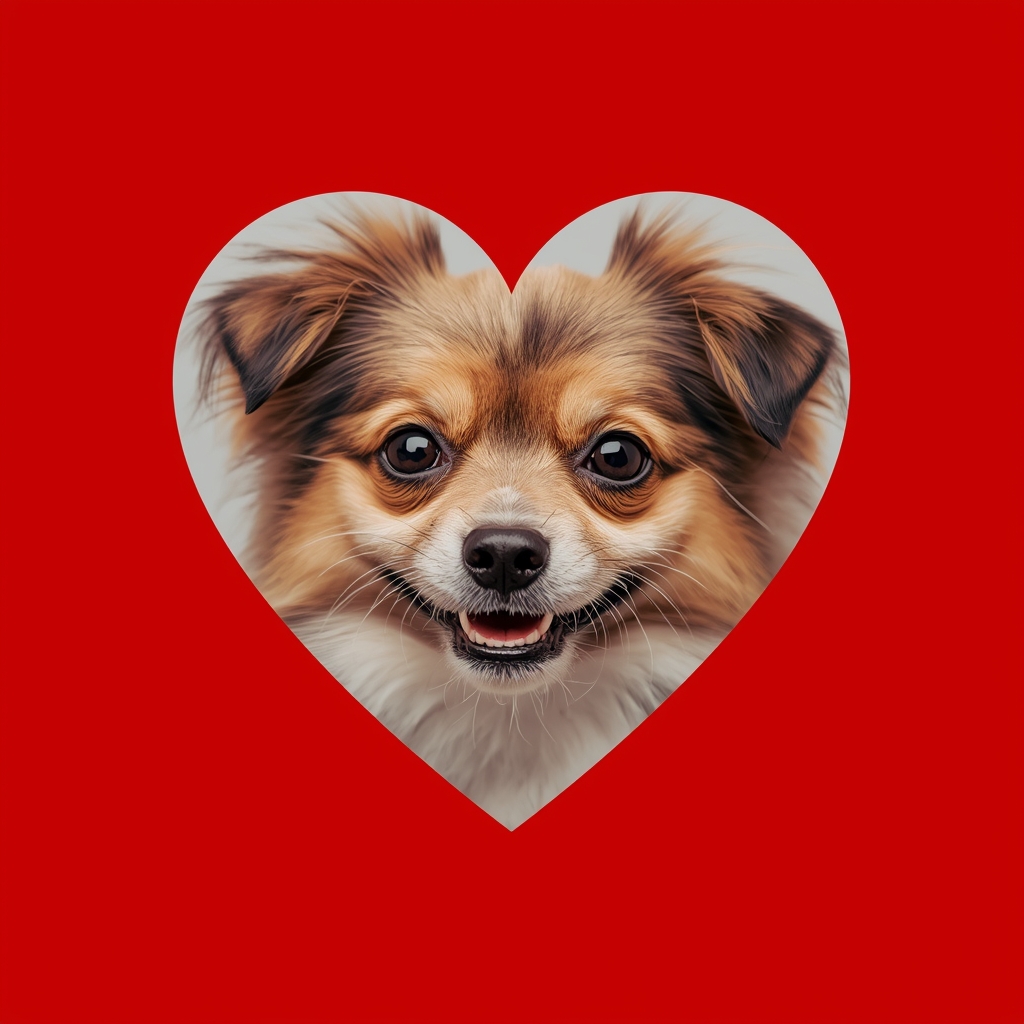
WHAT HAPPENS IN A DOG’S BRAIN WHEN THEY “FALL IN LOVE”?
The Psychology of the Human Dog Bond
Do Dogs Really “Love” and What Does That Actually Mean?
Anyone who has ever lived with a dog has asked this question at least once:
Is my dog really falling in love with me? Or is it just habit, instinct, routine?
Science today gives us a fascinating answer. Dogs form powerful emotional bonds with humans, and they do so on a neurobiological level that resembles human love, attachment, and long term emotional connection.
But before we apply the word love directly to dogs, we need to understand what that term means scientifically.
In humans, falling in love involves a specific network of hormones, neurotransmitters, and reward centers in the brain, including oxytocin, dopamine, and neural pathways related to bonding and motivation.
In dogs, researchers have shown that many of these same mechanisms exist. They appear through behavior, hormonal responses, and even synchronization of brain activity with humans.
In other words, a dog does not experience love in the same abstract way humans do. But they do experience a deep emotional bond that has real neurochemical foundations.
1. How Dogs Form Bonds with Humans Through Evolution
Dogs are not just “man’s best friend.” They are unique evolutionary partners.
Over tens of thousands of years of domestication, dogs developed social communication skills with humans that other species, including wolves, do not possess.
Dogs learned to follow human gaze, use it as a signal for interaction, and respond to human emotions and gestures.
This is not accidental. It is a genetic adaptation that made cooperation with humans possible throughout evolution.
Because of this evolutionary process, dogs understand human attention and emotional signals not just as neutral information, but as meaningful social cues. That ability laid the foundation for the powerful attachment dogs form with people today.
2. Oxytocin: The Key Bonding Hormone
When we talk about falling in love, oxytocin plays a central role. It is often called the love hormone.
What Does Oxytocin Do?
Oxytocin is:
- released in the hypothalamus,
- involved in social behavior, attachment, and trust,
- active in maternal bonding, romantic love, and even close friendships,
- essential for forming emotional connections.
Oxytocin in Dogs
Scientific studies show something remarkable.
Dogs and humans both release oxytocin when they look into each other’s eyes, similar to the bond between a mother and her child.
Oxytocin levels rise in both the dog and the human during interaction, creating a positive hormonal feedback loop.
Eye contact, gentle touch, and petting increase this effect even more.
This means it is not just a feeling. Your dog’s brain and your brain are chemically responding to each other.
3. Neurochemical Reactions That Resemble Human Love
Oxytocin is not the only player. Other neurochemical processes in dogs resemble what humans experience as love.
Dopamine and the Reward System
When a dog spends time with a person they are strongly attached to, especially during petting, play, or affectionate interaction, dopamine is released in their brain.
Dopamine is the same neurotransmitter responsible for pleasure, motivation, and reward in humans.
Your presence literally activates your dog’s reward system.
Oxytocin and Stress Reduction
Oxytocin does more than build attachment. It reduces stress responses.
When a dog is with a trusted human, stress hormones decrease. The dog feels calmer and safer.
So when a dog experiences a positive and secure interaction with a person:
- reward centers in the brain activate,
- bonding hormones are released,
- the physiological stress response decreases.
That combination is very close to what we call emotional attachment and romantic bonding in humans.
4. The Owner’s Scent as a Reward
Researchers have found that the reward centers in a dog’s brain respond more strongly to the scent of their familiar owner than to the scent of other dogs.
This is powerful evidence.
It shows that a dog does not see their owner only as a source of food or routine. The owner becomes a unique positive emotional value in the dog’s brain.
Being near their person activates the same reward circuits involved in pleasure and motivation. That reaction is not just instinctive. It is neurologically measurable.
5. Brain Synchronization Between Dogs and Humans
Recent research suggests an even deeper phenomenon.
Dogs and humans can synchronize certain patterns of brain activity when they look into each other’s eyes.
This process, sometimes called neural coupling or interbrain coupling, means that separate brain activities begin to align during shared interaction.
This is more than chemistry. It is a synchronization of attention and emotional engagement that resembles deep human connection.
6. Dogs Do Not Experience Love Exactly Like Humans
It is important to say this clearly.
A dog does not think about love the way humans do. They do not form abstract ideas about romance, expectations, or symbolic meaning.
However:
- Dogs show emotional responses that activate the same core neurochemical systems seen in human attachment.
- Dogs display clear attachment behaviors.
- They show distress when their person leaves.
- They show joy when that person returns.
- They are calmer in the presence of someone they trust.
- They actively seek contact and attention from specific individuals more than from others, including other dogs.
So yes, dogs experience something we can reasonably compare to love. But they experience it through their own emotional and neurobiological system.
7. Eye Contact: A Biochemical Bond
One of the most fascinating discoveries is mutual eye contact.
When a dog and their human look into each other’s eyes, oxytocin increases in both of them.
This reaction does not occur in the same way when the dog looks at objects or unrelated stimuli.
Why is this important?
Because sustained, relaxed eye contact is emotionally intense. In humans, it is one of the strongest signals of affection and bonding.
In dogs, it triggers the same bonding chemistry.
8. Observable Effects of a Dog “Falling in Love”
When a dog develops a strong bond with a human, it becomes visible.
You may notice:
- Reduced stress and anxiety around that person.
- Increased attention and responsiveness.
- Stronger cooperation during communication.
- Active seeking of physical closeness.
- Activation of reward systems and bonding hormones.
In simple terms, your dog is not just happy to be around you. Their brain rewards them for being with you.
9. Psychological Benefits for Both Dog and Human
The human dog bond works both ways.
For the dog:
- a sense of safety and protection,
- emotional stability,
- predictability and routine,
- positive reward experiences.
For the human:
- reduced stress and anxiety,
- increased oxytocin and dopamine levels,
- improved mood,
- a sense of social support and connection.
Scientific reviews show that strong human dog bonds can lower blood pressure, reduce stress hormone levels, and improve overall emotional wellbeing for both sides.
Conclusion: What Does It Mean When a Dog “Falls in Love”?
So what really happens in a dog’s brain when they fall in love?
Something powerful. Something biological. Something measurable.
Dogs develop:
- emotional bonds based on oxytocin and dopamine,
- synchronized brain responses during interaction,
- attachment behaviors rooted in neurobiology,
- positive hormonal feedback loops that strengthen connection.
A dog may not experience love as an abstract romantic concept. But they do experience deep social bonding and positive emotional attachment that closely mirrors the biological foundations of love in humans.
That is why dogs become more than animals.
They become family. Partners. Companions. Emotional support.
And that is not just poetic language.
It is a scientifically supported behavioral and neurobiological reality.
Written by Nataša Miranović


You May Also Like

WHAT FOODS SHOULD DOGS NEVER EAT?

How to Choose the Perfect Name for Your Dog (Without Regretting It Later)
