Why Does My Dog Keep Licking Their Paws? Causes, Warning Signs, and What to Do
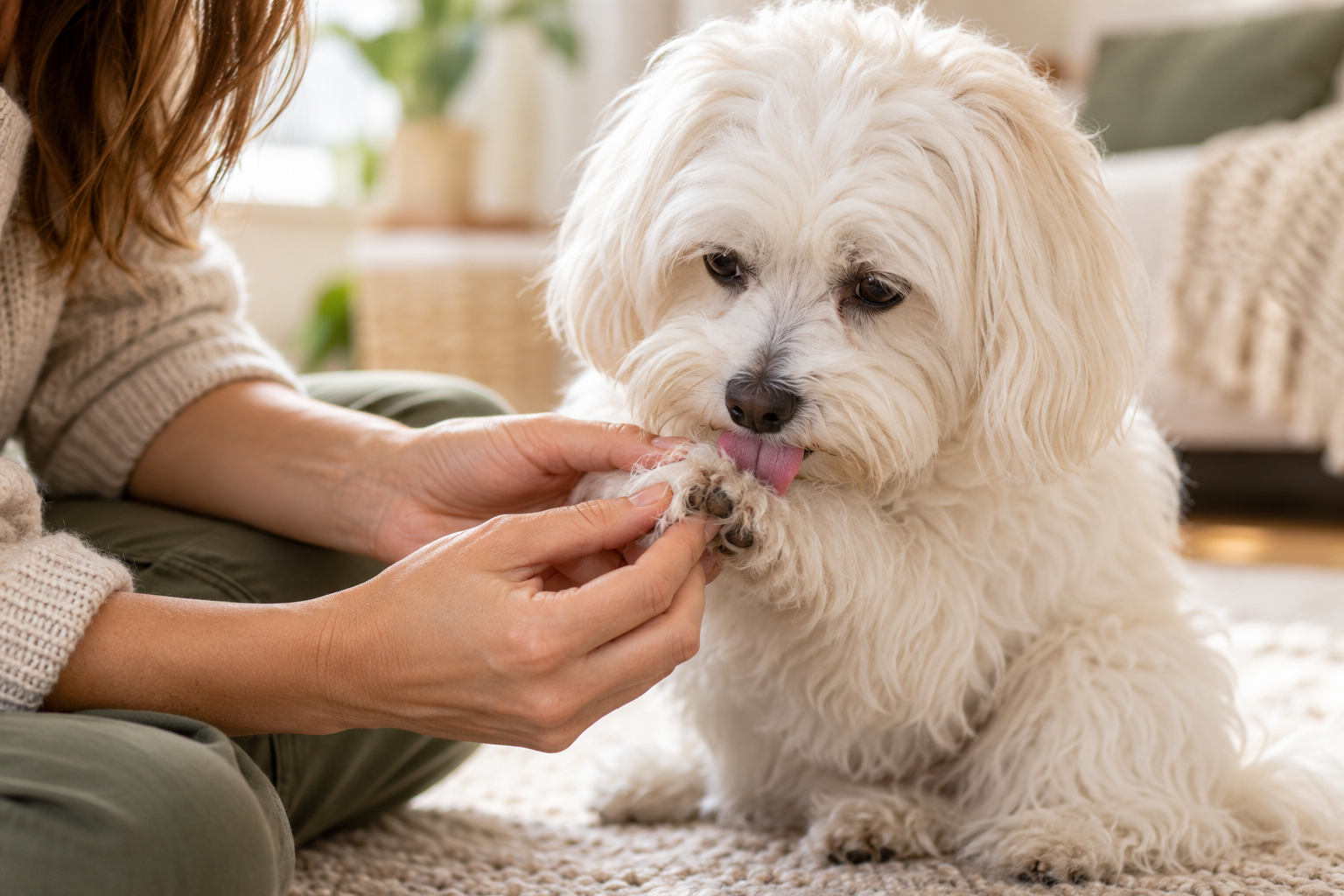
Your dog settles down to relax, the house is finally quiet, and then it starts: lick, lick, lick.
You look over. They stop for a moment and stare back at you as if nothing happened. As soon as you go back to watching TV or doing something else, they start licking their paw again.
Occasional paw licking can be a normal part of grooming. But if your dog frequently licks one or more paws for long periods, licks intensely, or seems almost obsessed with it, there is usually a reason. Sometimes the problem is simple, such as a small piece of debris between the toes or damp fur after a walk. Other times, itching, pain, allergies, or an infection may be involved and should be evaluated by a veterinarian.
The most important thing is not to focus only on stopping the licking. You need to find out what is making your dog do it.
Quick Answer: A dog may keep licking their paws because of an injury, a foreign object, irritation, allergies, parasites, infection, pain, or, less commonly, boredom or stress. Licking one paw is more likely to point to a problem in that specific area, while licking several paws may be related to itching or allergies. If you notice redness, swelling, a sore, an unusual odor, discharge, bleeding, or limping, schedule a veterinary appointment.
Is It Normal for Dogs to Lick Their Paws Occasionally?
Yes. A dog may briefly lick their paws after a walk, after eating, when they wake up, or when they are trying to remove a little dust or moisture from their fur.
This type of licking usually does not last long. The dog soon goes back to resting, playing, or doing something else. There are no changes to the skin, the dog walks normally, and they do not seem painful when you touch the paw.
It becomes a concern when the licking is:
- Frequent and difficult to interrupt
- Always focused on the same spot
- Accompanied by chewing or biting the paw
- Intense enough to leave the fur wet
- Happening every day or getting worse
- Accompanied by changes in the skin, fur, or the way your dog walks
If the sound of licking wakes you at night, or your dog stops playing, eating, or resting just to return to the paw, do not dismiss it as nothing more than a strange habit.
Why Does My Dog Keep Licking One Paw?
When a dog persistently licks just one paw, the first thing to consider is a problem located in that specific area.
An Injury or Foreign Object
A blade of grass, tiny stone, thorn, or another foreign object may become trapped between the toes. A paw pad may be scratched, cut, or irritated by hot pavement, ice, or a rough surface.
A dog will often start licking an injured paw suddenly. They may hold it up, avoid putting their full weight on it, or refuse to let you touch it.
Check carefully between the toes and around the nails. The problem is not always on the paw pad where it is easy to see. It may be hidden beneath thick or matted fur.
If the foreign object is deeply embedded, the skin has been punctured, a nail is damaged, or your dog is in pain, do not try to handle the problem at home.
A Broken or Damaged Nail
A nail can break while a dog is running, playing, or catching it on a rug. This type of injury can be very painful, even when it does not look dramatic at first.
Watch for bleeding, an oddly positioned nail, sensitivity, or repeated licking of one toe.
An Insect Sting or Local Irritation
An insect sting or contact with an irritating plant or chemical on the ground may cause sudden burning, itching, or swelling. Your dog may then lick the area in an attempt to feel better.
However, licking does not remove the cause. In fact, constant moisture and friction from the tongue can irritate the skin even more.
Pain That Is Not Visible on the Skin
A dog may lick an area that hurts even when there is no visible wound. The discomfort may come from a toe, a joint, or another part of the leg.
That is why a paw that looks normal does not always mean everything is fine. If your dog keeps licking the same area and is also limping, having difficulty getting up, or avoiding putting weight on the leg, they need an examination.
Why Does My Dog Lick All Their Paws?
When a dog licks several paws, especially both the front and back paws, the cause is more likely to be itching that affects a larger area.
If your dog’s feet also have an unusual snack-like odor, find out why dog paws can smell like corn chips and when that smell may signal a problem.
Veterinary references also emphasize that itching is a symptom rather than a diagnosis, and that allergies, parasites, and infections are among its common causes.
Allergies
Allergies are one of the common reasons dogs lick and chew their paws. Triggers may come from the environment and include pollen, grass, dust mites, and mold. Food-related reactions may also be considered in some dogs, but paw licking alone cannot reliably confirm them.
In a dog with allergy-related itching, you may also notice:
- Redness between the toes
- Licking several paws
- Rubbing the face
- Itching around the armpits, belly, or groin
- Recurring ear problems
- Symptoms that become worse during certain seasons
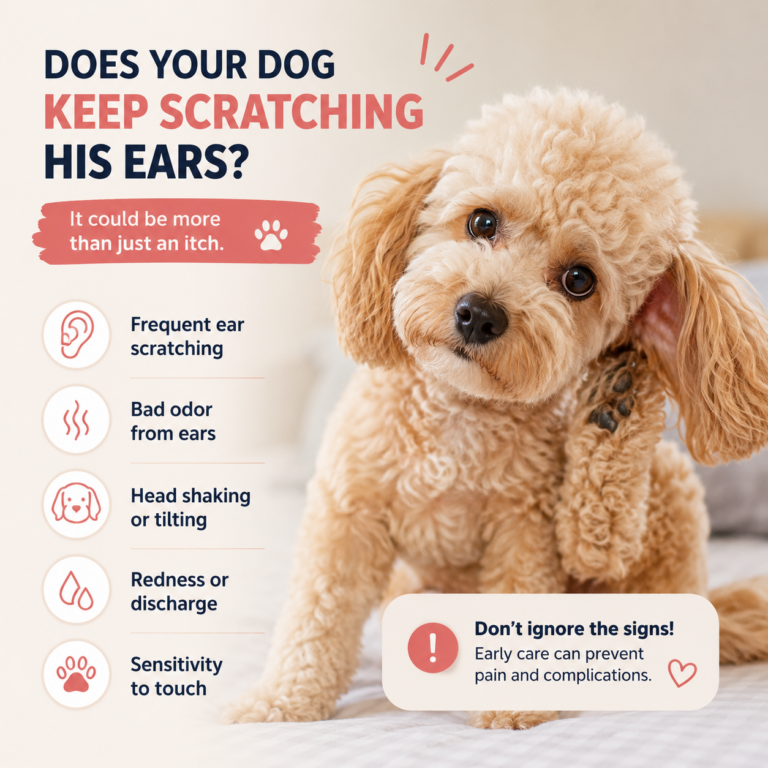
Recurring ear problems can also appear alongside allergies. Learn which changes to watch for in Dog Ear Infection Signs Most Owners Miss.
If your dog mostly licks their paws during a particular time of year, write down when the problem starts, where your dog has been walking, and whether you notice changes on other parts of the body. This information can be very helpful to your veterinarian.
Bacterial or Fungal Skin Infections
The warm, damp spaces between the toes can provide the right conditions for secondary infections to develop. These infections often appear after the skin has already been irritated by an allergy, injury, or persistent licking.
Possible signs include:
- Significant redness
- Swelling
- An unpleasant or unusual odor
- Damp, greasy, or sticky skin
- Scabs, sores, or discharge
- Thinning fur or brown staining on light-colored fur caused by saliva
Persistent redness, swelling, discomfort, and licking can be associated with inflammation of the paw skin, often described as pododermatitis.
You cannot reliably identify an infection from a photograph or smell alone. A veterinarian needs to determine what is happening and whether there is an underlying problem that keeps coming back.
Parasites
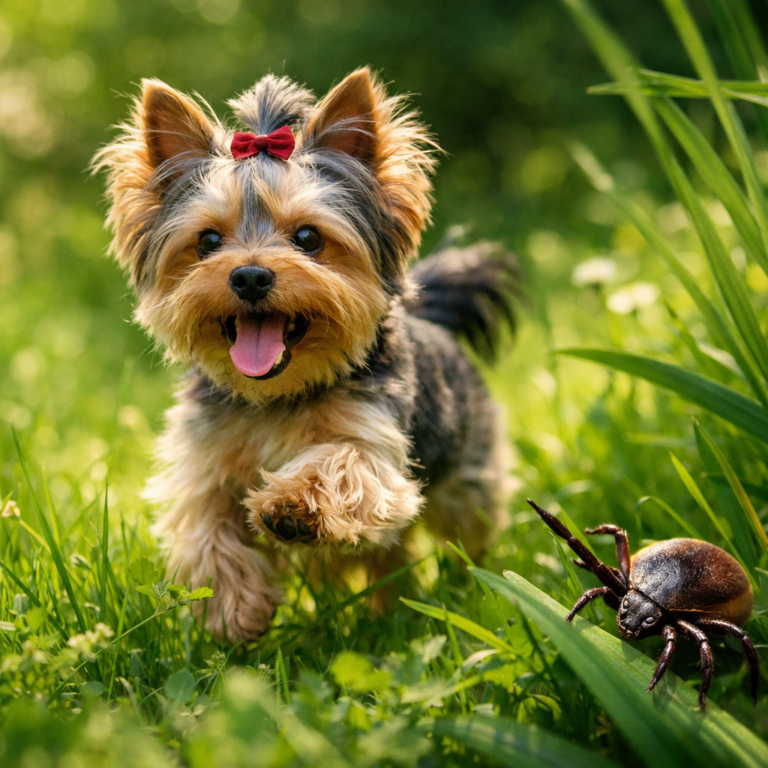
Fleas, ticks, and certain types of mites can cause intense itching. Sometimes you will see the parasite, but not finding a visible flea or tick does not rule out every parasitic problem.
If your dog is also scratching other areas, losing fur, or developing irritated skin, talk to your veterinarian about an examination and appropriate parasite prevention.
For a realistic look at additional tick protection and common safety mistakes, read Natural Tick Repellents for Dogs: What Actually Works.
Contact Irritation
Your dog’s paws are constantly touching the ground. Grass, floor-cleaning products, road salt, and other substances may irritate the skin of a sensitive dog.
If the licking starts after a particular walk or after you clean the floor with a new product, make a note of that connection. It is not a diagnosis, but it is an important clue.
Can Dogs Lick Their Paws Because of Boredom or Stress?
They can, but you should not immediately assume the problem is “all in their head.”
Licking helps some dogs calm themselves. It may become more frequent when they spend long periods alone, do not get enough opportunities to sniff and move, struggle to settle, or are going through a change in routine.
However, behavior and health do not fit into two completely separate boxes. A dog may start licking because of mild itching, then continue because the behavior has become a soothing habit. Persistent licking can also damage the skin and create a new physical problem.
Before blaming the licking on boredom or anxiety, it is sensible to rule out pain, injury, allergies, parasites, and infection.
Why Does My Dog Lick Their Paws More at Night?
The house is quiet at night, and there are fewer activities competing for your dog’s attention, so the licking becomes more noticeable. A dog who is busy during the day with walks, food, sounds, and people may not focus on an itch or pain until they lie down.
That is why nighttime paw licking does not automatically mean the problem is psychological. It is more helpful to look at the whole picture:
- Is your dog licking one paw or several?
- Are the paws red or damp?
- Does the licking also happen during the day?
- Is your dog limping or avoiding touch?
- Are they also scratching, rubbing their face, or having ear problems?
Your phone can be a useful ally. Record a short video if the behavior does not happen at the veterinary clinic, and photograph any changes while they are clearly visible.
How Can You Safely Check Your Dog’s Paws at Home?
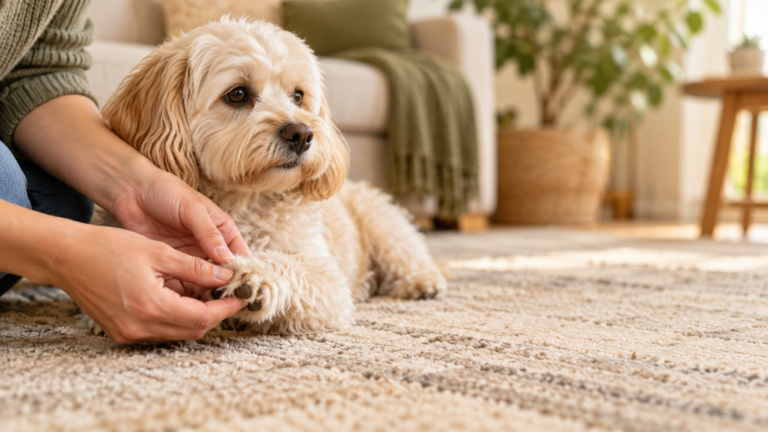
Choose a well-lit area and wait until your dog is calm. Do not force them onto their side or hold them tightly if they are showing signs of pain or fear.
Check the following areas in order:
- The top of each paw
- The paw pads and the spaces between them
- The skin and fur between the toes
- Every nail, including the dewclaws
- The area above the paw that your dog may actually be licking
Look for a small piece of debris, blade of grass, wound, crack, swelling, scab, matted fur, redness, or a damaged nail. Compare the suspicious paw with a healthy one. Differences are often easier to spot when you look at both side by side.
If your dog has just walked through mud, dust, or road salt, you can rinse the paws with lukewarm water and dry them carefully, especially between the toes. This is basic hygiene, not a treatment for the cause of persistent licking.
If muddy walks are a regular part of your routine, you may also find this guide helpful: How to Clean Muddy Dog Paws After a Walk Without a Full Bath.
If your dog tries to bite, suddenly pulls the leg away, or cries, stop the examination. A dog who normally gives you their paw calmly has not suddenly become “naughty.” There is a good chance it hurts.
What Should You Never Put on Your Dog’s Paws Without Veterinary Advice?
When your dog will not stop licking a paw, it is natural to want to apply something right away. However, a product that is safe for human skin is not automatically safe for a dog, especially because your dog will probably lick it off.
Unless your veterinarian tells you otherwise, do not apply:
- Human creams or ointments
- Essential oils
- Rubbing alcohol or hydrogen peroxide
- Anti-itch products made for people
- Antibiotic, antifungal, or corticosteroid products
- Strong disinfectant solutions
Do not tightly bandage the paw on your own either. An improper bandage can trap moisture, put pressure on the tissue, and hide signs that the problem is getting worse.
An Elizabethan collar may sometimes prevent a dog from further damaging the skin while you wait for an appointment, but it does not solve the reason your dog is licking. It is like silencing an alarm without checking why it went off.
When Does Paw Licking Require a Veterinarian?
Schedule an examination if the licking continues, keeps returning, or becomes worse, even if the change looks minor at first.
Contact your veterinarian promptly if you notice:
- Limping or refusal to put weight on the leg
- Severe pain or sudden sensitivity
- Bleeding, a deep wound, or punctured skin
- A broken or torn nail
- Significant swelling
- Pus, discharge, or an unpleasant odor
- Very red, damp, or damaged skin
- A lump or other change between the toes
- A foreign object that is deeply embedded or cannot be removed easily
- Sudden facial swelling, difficulty breathing, weakness, or collapse
The last group of signs may indicate an emergency reaction and requires immediate veterinary care.
What Can You Do While Waiting for the Appointment?
Your job is not to diagnose the problem. It is to prevent further damage and collect useful information.
- Keep the paw clean and dry.
- Do not let your dog run on rough, hot, or irritating surfaces.
- Prevent your dog from licking the same spot for hours.
- Write down when the problem started and whether it seems seasonal.
- Notice whether your dog licks one paw or all of them.
- Take one photo a day in similar lighting.
- Record other signs, such as scratching, ear problems, face rubbing, or limping.
Do not change several things at once without a clear reason. If you change your dog’s food, shampoo, floor cleaner, and walking routine on the same day, it will be very difficult to work out which one, if any, was connected to the problem.
What Can the Appearance of Your Dog’s Paw Tell You?
| What You Notice | What It Could Mean | What to Do Next |
|---|---|---|
| Sudden licking of one paw | A thorn, cut, sting, damaged nail, or pain | Check the paw carefully; see a veterinarian if there is pain, a wound, or a deeply embedded foreign object |
| Licking several paws along with itching | Allergies, contact irritation, parasites, or a secondary infection | Keep track of the pattern and schedule an appointment if it continues or keeps returning |
| Redness and damp skin between the toes | Inflammation and a possible infection | Do not apply random products; arrange a veterinary examination |
| Unpleasant odor, discharge, or scabs | A possible infection or damaged skin | Schedule an appointment promptly |
| Paw licking with limping | An injury, foreign object, nail problem, or another source of pain | Limit activity and contact your veterinarian |
| Licking mostly when the dog is alone or resting | Stress or habit may be involved, but a physical cause has not been ruled out | Check their health first, then evaluate their routine and daily enrichment |
This table can help you describe the problem more clearly, but it cannot replace a veterinary examination and diagnosis.
Do Not Treat the Licking Without Looking for the Cause
A sock, bandage, or cone may temporarily block access to the paw, but it cannot explain why your dog is licking. If the behavior keeps returning, or you notice redness, swelling, odor, pain, or limping, schedule a veterinary examination before the skin becomes more damaged.
Common Mistakes When a Dog Keeps Licking Their Paws
Waiting for the Problem to Go Away on Its Own
One brief licking session is no reason to panic. But several days of persistent licking can turn mild irritation into painful, damp, and damaged skin.
Applying the First Cream You Find at Home
Your dog will probably lick the product off. Some products may irritate the skin further, be unsafe if swallowed, or hide changes your veterinarian needs to see.
Assuming Allergies Are Always to Blame
Allergies are a common cause, but they are not the only one. If your dog suddenly starts licking one paw, first check for a local injury, damaged nail, or foreign object.
Punishing Your Dog for Licking
Your dog is not trying to annoy you. Licking is a response to itching, pain, discomfort, or emotional tension. Scolding will not remove the cause. It may only teach your dog to lick when you are not watching.
Focusing Only on Stopping the Licking
A sock, bandage, or cone may physically block access to the paw, but the underlying cause is still there. A lasting solution starts with one question: Why does my dog feel the need to lick this spot in the first place?
How Can You Reduce the Risk of Paw Problems?
You cannot prevent every itch or injury, but a quick, regular check can help you notice changes earlier.
- Check your dog’s paws after walks through tall grass, mud, snow, or rough terrain.
- Rinse and dry the paws thoroughly after contact with road salt or irritating dirt.
- Regularly check the length and condition of the nails.
- Keep the fur between the paw pads neat in a way that suits your dog’s coat type.
- Use parasite prevention recommended by your veterinarian.
- Watch for problems that return during the same season each year.
Small changes can easily stay hidden on long-haired small dogs. From the outside, you see one fluffy paw. Between the toes, an entire little drama may be unfolding. That is why checking with both your fingers and your eyes is more useful than taking a quick look from above.
Frequently Asked Questions
Itching or pain may be present before visible changes appear. Your dog may also lick because of a tiny foreign object that is difficult to see or discomfort deeper in a toe or joint. If the licking continues, keeps returning, or stays focused on one spot, talk to your veterinarian.
Redness can be related to allergies, but it may also result from irritation, an infection, a foreign object, or the persistent licking itself. Appearance alone is not enough to determine the cause.
In dogs with light-colored fur, frequent licking may leave reddish-brown saliva stains. The color change shows that your dog has been licking the area often, but it does not reveal why.
Do not change foods randomly based on one symptom. If your veterinarian suspects a food-related reaction, they can explain how to carry out a controlled elimination diet. Frequently switching between different foods can make the situation harder to evaluate.
Start by checking the paw and looking for the underlying cause. Temporary physical protection may be needed to stop your dog from making a sore worse, but it should be safe and used under veterinary guidance. A calming evening routine and quiet activity may help only after medical causes have been ruled out.
If the licking is mild and brief and the paw looks normal, you can check the area and monitor your dog. If your dog persistently licks the same spot, the problem keeps returning, or you notice redness, swelling, pain, odor, a wound, discharge, or limping, do not wait for the skin to become more damaged.
Final Thoughts
Persistent paw licking is not a diagnosis. It is a sign that your dog is responding to itching, pain, irritation, or discomfort.
Sometimes you will find a simple explanation as soon as you part the fur between the toes. Other times, a veterinary examination and a little detective work will be needed to uncover the real cause. In either case, the best approach is to stay calm, look for a pattern, and avoid experimenting with random home treatments.
Your dog may not be able to tell you what is bothering them, but persistent paw licking is already a message. It is worth listening before a small problem becomes much more uncomfortable.
This article is for informational purposes only and is not a substitute for veterinary examination, diagnosis, or treatment.