
Why Small Dogs Overheat Much Faster Than Large Dogs (And How to Keep Them Safe)
Summer.
Sunshine.
The temperature climbs above 95°F (35°C).
Wondering how to protect your dog during extreme heat? Read our guide on How to Keep a Small Dog Cool During a Heatwave.
Many dog owners think:
“It’s fine. He’s small. He’ll handle the heat better.”
Unfortunately, the opposite is often true.
Small dogs can overheat much faster than most people realize.
That’s why every summer, veterinarians see countless heat-related emergencies that could have been prevented.
If you have a Bolognese, Maltese, Yorkshire Terrier, Pomeranian, Shih Tzu, Chihuahua, or another small breed, this article could one day save your dog’s life.
Do Small Dogs Really Overheat Faster?
Yes.
And there are several reasons why.
It’s not just about their size.
Many different factors affect how quickly a dog heats up and how difficult it is for them to cool down.
1. They’re Much Closer to Hot Pavement
This is something most owners never think about.
When you’re walking, your head is about six feet above the ground.
Your small dog is only a few inches above blazing hot pavement.
And during summer, asphalt can easily reach temperatures above 140°F (60°C).
That means your dog isn’t just feeling the heat through their paws.
They’re also breathing in the hot air rising from the ground.
That’s why a Bolognese or Chihuahua may start panting much sooner than a German Shepherd walking beside them.
2. Small Breeds Often Have Thicker Coats Than People Realize
Many owners think only long-haired dogs struggle in hot weather.
That’s simply not true.
A dense undercoat traps heat.
Even if your dog looks light and fluffy, that thick coat can hold warm air close to the body.
That’s why some dogs may seem perfectly fine while their body temperature is already rising to dangerous levels.
3. Some Small Breeds Already Have Trouble Breathing
Especially breeds like:
- Pug
- French Bulldog
- Boston Terrier
- Shih Tzu
- Pekingese
Their short noses make it much harder for them to cool themselves naturally.
Unlike people, dogs hardly sweat at all.
Their main cooling system is panting.
If they can’t breathe efficiently, they can’t release body heat efficiently either.
That’s why these breeds are among the highest-risk dogs during extreme summer heat.
4. Small Dogs Have Very Fast Metabolisms
Their bodies work faster.
Their hearts beat faster.
They breathe faster.
They burn energy more quickly.
In certain situations, that also means their body temperature can rise much faster than it does in larger dogs.
5. Owners Often Miss the Early Warning Signs
This may be the biggest problem of all.
A small dog doesn’t have to collapse immediately.
They don’t have to pass out.
Often they’ll simply:
- Slow down.
- Pant more than usual.
- Look for shade.
- Refuse to keep walking.
- Sit down more often.
Many owners think:
“He’s being lazy.”
“She just doesn’t want to walk.”
“He’s being stubborn.”
But in reality, your dog is trying to tell you they’re getting dangerously hot.
Signs Your Dog Is Overheating
Never ignore these warning signs:
- Heavy, excessive panting
- Dark red gums
- Thick or sticky saliva
- Weakness
- Stumbling
- Vomiting
- Confusion
- Collapse
If you notice any of these symptoms, immediately move your dog into the shade, offer fresh water, and begin cooling them down gradually.
If they don’t improve quickly, contact your veterinarian immediately.
Heatstroke is a medical emergency.
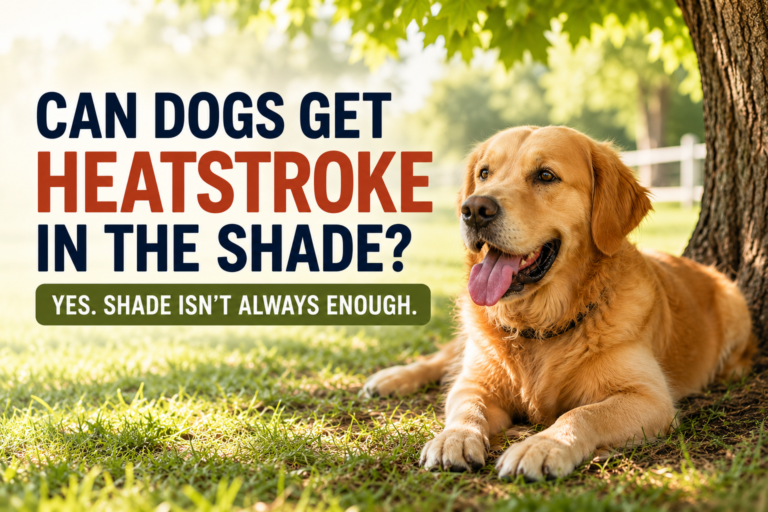
Heatstroke can happen even when your dog isn’t standing in direct sunlight. Learn more in Can Dogs Get Heatstroke Even in the Shade?
How to Protect Your Small Dog During Summer
The good news is that most cases can be prevented.
Follow these simple rules:
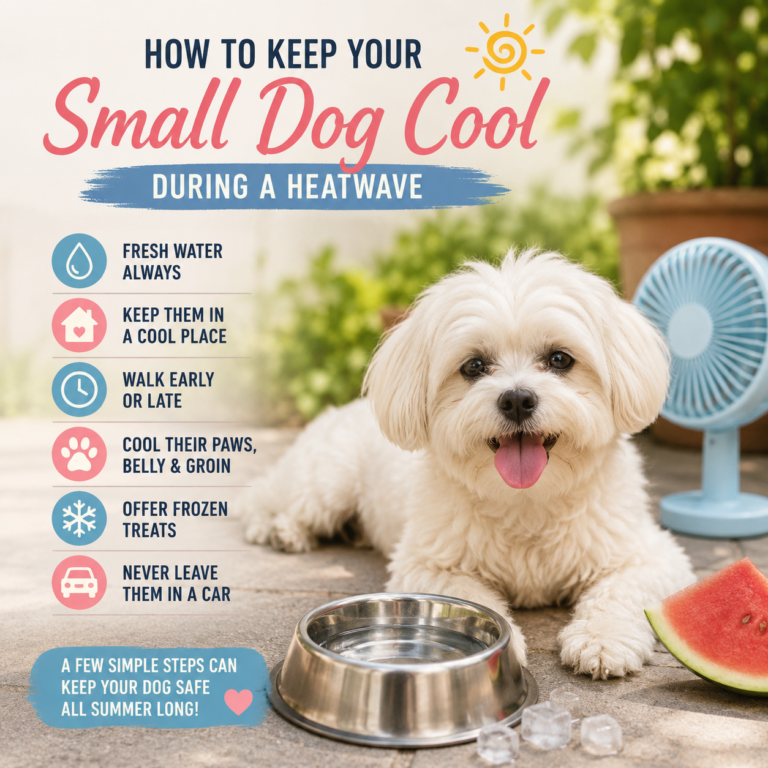
✔ Walk early in the morning or later in the evening.
✔ Avoid hot pavement during the hottest part of the day.
✔ Always carry fresh water.
✔ Take frequent breaks in the shade.
✔ Never leave your dog inside a parked car.
✔ Don’t force your dog to keep walking if they want to stop.
✔ Make sure they have a cool place to rest at home.
✔ During heat waves, offer safe frozen treats to help them cool down.
Looking for a safe way to help your dog cool down? Try these 5 Easy Frozen Dog Treat Recipes Your Dog Will Love This Summer.
The Biggest Mistake Dog Owners Make
The most dangerous sentence I hear is:
“He’ll get used to it.”
No, he won’t.
Your dog doesn’t decide when to go outside.
They don’t choose when to go for a walk.
They don’t choose how long that walk lasts.
We do.
That’s why it’s our responsibility to know when it’s safe and when it isn’t.
Final Thoughts
Small dogs aren’t delicate because they’re spoiled.
Their bodies simply have a much harder time coping with extreme summer heat.
That’s why keeping them safe isn’t just about giving them water.
It’s about when you walk them.
Where you walk them.
How long they stay outside.
And whether you recognize the early signs of overheating before it’s too late.
Because sometimes, just a few minutes on scorching pavement is all it takes for an ordinary summer walk to turn into a life-threatening emergency.
Do small dogs overheat faster than large dogs?
Yes. Small dogs are closer to hot pavement, and some breeds have breathing difficulties that make it harder to cool down.
What temperature is too hot for a small dog?
Most small dogs are at greater risk once temperatures rise above 85°F (29°C), especially with high humidity or direct sunlight.
What are the first signs of overheating in dogs?
Heavy panting, slowing down, looking for shade, dark red gums, weakness, and refusing to continue walking are common early signs.
How can I keep my small dog cool in summer?
Walk early or late in the day, avoid hot pavement, provide fresh water, rest in the shade, and offer safe frozen treats.
Veterinary note: This article is intended for general informational and educational purposes only and should not replace professional veterinary advice, diagnosis, or treatment. If you are concerned about your dog’s health, notice new or worsening symptoms, or suspect an emergency, please contact your veterinarian promptly.