Freeze-Dried vs. Air-Dried Dog Food for Picky Small Dogs: Which Is Better?
You bought a dog food that looks great on paper. You carefully read the label, chose a quality protein source, and paid more than you had planned.
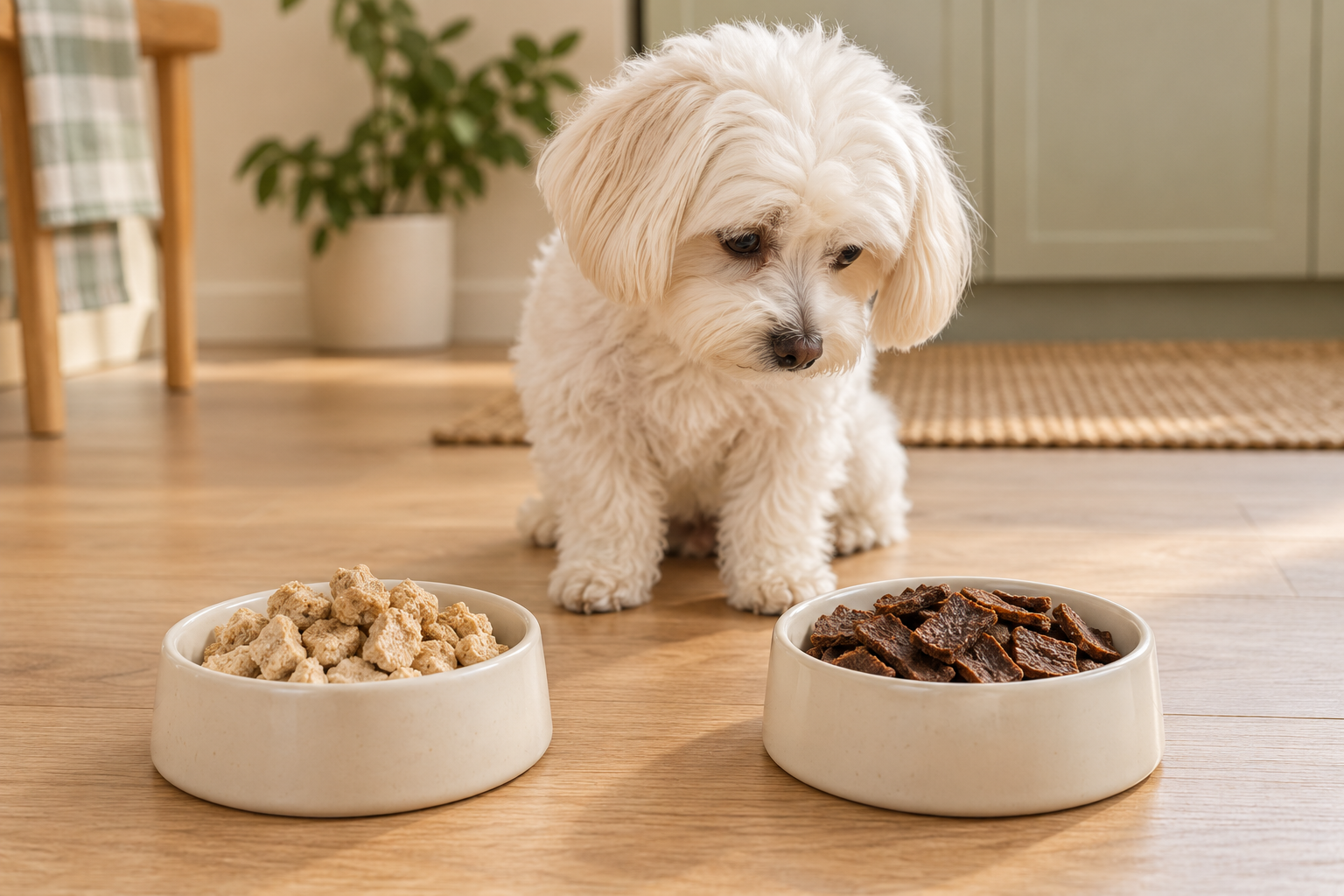
Then your small dog walked over to the bowl, sniffed the food, and looked at you as if you had just served a piece of cardboard.
If you live with a picky small dog, this scene probably feels very familiar.
Small dogs may not eat large amounts, but they can have very specific preferences when it comes to smell, taste, and texture. That is why more owners are turning to freeze-dried and air-dried dog food, especially when their dogs keep refusing traditional kibble.
Both types of food usually have a stronger smell and flavor than regular dry food. However, they are not the same, and neither one will suit every dog.
Let’s look at the differences between freeze-dried and air-dried dog food and find out which one may be the better choice for your picky small dog.
Quick Answer: Which Is Better for a Picky Small Dog?
If your dog prefers a softer texture and a stronger smell, especially when a little warm water is added, freeze-dried food may be the better choice.
If your dog likes chewing pieces that feel more like meat and you want food you can serve straight from the bag, air-dried food may be more convenient.
Freeze-dried food often has a slight advantage for very picky small dogs because you can serve it dry, crumble it over another food, or soften it with water. Still, the best food is not the one that looks most appealing in an ad. It is the one your dog enjoys eating, digests well, and that provides complete and balanced nutrition.
| Feature | Freeze-Dried Food | Air-Dried Food |
|---|---|---|
| Texture | Light, dry, and easy to crumble | Denser, chewier, and more meat-like |
| Water | Can be rehydrated | Usually served straight from the bag |
| Best for | Dogs that prefer softer, aromatic meals | Dogs that enjoy chewing and treat-like pieces |
| Preparation | May require adding water | No preparation needed |
| Portion size | Small and calorie dense | Small and calorie dense |
| Price | Usually more expensive | Premium priced, but sometimes more affordable |
| Travel | Lightweight, but can crumble | Convenient and holds its shape better |
The right choice depends less on which food sounds more impressive and more on the texture, smell, and serving style your dog actually prefers.
What Is Freeze-Dried Dog Food?
Freeze-dried dog food is made by freezing the food and removing its moisture under very low pressure.
This process creates very light, porous pieces that are easy to break apart with your fingers. When you add water, they quickly soften and release a stronger aroma again.
Many freeze-dried products are made with raw meat, organs, bones, vegetables, and other ingredients. However, not all products are the same. Some are complete meals, while others are only meant to be used as treats, meal toppers, or supplements to a dog’s regular food.
That is why it is important to look beyond the front of the package. Check the label to make sure it clearly states that the product provides complete and balanced nutrition for your dog’s life stage.
What Is Air-Dried Dog Food?
Air-dried dog food is made by gradually removing moisture with circulating air and controlled temperatures.
The result is usually denser, firmer, and more flexible pieces than you get with freeze-dried food. The texture often feels similar to small, soft pieces of dried meat.
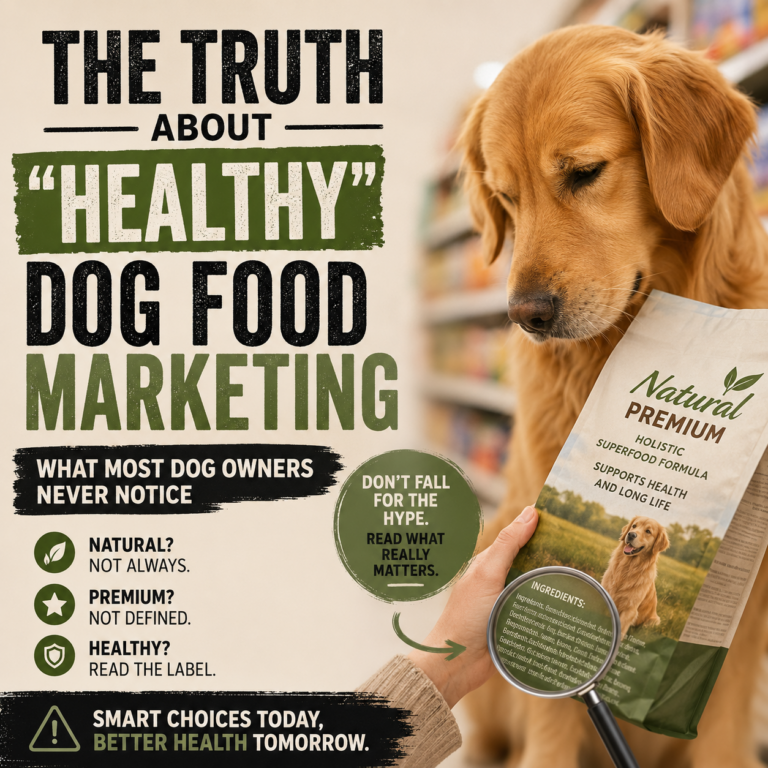
If you want to take a closer look at the benefits, limitations, and marketing claims surrounding this type of food, read my guide to the truth about air-dried dog food
Unlike freeze-dried pieces, which crumble easily, air-dried food generally holds its shape better. You can serve it straight from the bag, and you usually do not need to add water.
Processing methods vary between manufacturers. Do not assume that every air-dried food is raw or that every product is processed in exactly the same way. If this matters to you, check the information provided by the specific manufacturer.
The Most Important Differences Between Freeze-Dried and Air-Dried Dog Food
If you are also comparing these foods with gentler alternatives to traditional kibble, you may want to learn how cold-pressed dog food is made
Texture
Freeze-dried food is light, dry, and porous. It breaks apart easily, can be crumbled, and softens when you add water.
Air-dried food is more compact and usually requires a little more chewing. Some dogs prefer this texture because it feels more like a treat.
For a small dog with sensitive teeth, missing teeth, or difficulty chewing, softened freeze-dried food may be easier to eat.
Smell and Taste
Both types of food can be very appealing to picky dogs because they usually contain plenty of animal-based ingredients and have a stronger smell than regular kibble.
Freeze-dried food becomes even more aromatic when you add a little warm water. This may help with a dog who walks up to the bowl, sniffs it, and decides they are simply not impressed enough.
Air-dried food has a concentrated flavor and often resembles soft, meaty treats. That is why some dogs are ready to eat it the moment they see it.
Of course, small dogs make their own rules. A dog who loves freeze-dried chicken may completely ignore freeze-dried beef. Another will eat anything that smells strong enough—until they realize you bought the large bag.
Preparation
Air-dried food is convenient. Measure the portion, pour it into the bowl, and the meal is ready.
Freeze-dried food can be served dry, but many manufacturers recommend rehydrating it before feeding. Adding water improves the texture and helps increase your dog’s fluid intake.
Do not guess how much water to add. Follow the instructions on the package because the recommended amount varies from one product to another.
Calorie Density
Both freeze-dried and air-dried foods can pack a lot of calories into a relatively small amount of food.
That matters with small dogs. A few extra pieces may not look like much, but they can make up a significant part of the daily calorie intake for a nine-pound dog.
Portions may look unusually small, especially if you are used to filling the bowl with kibble. Do not automatically add more just because the meal looks too small to you.
Follow the recommended daily serving, and keep an eye on your dog’s weight and body condition.
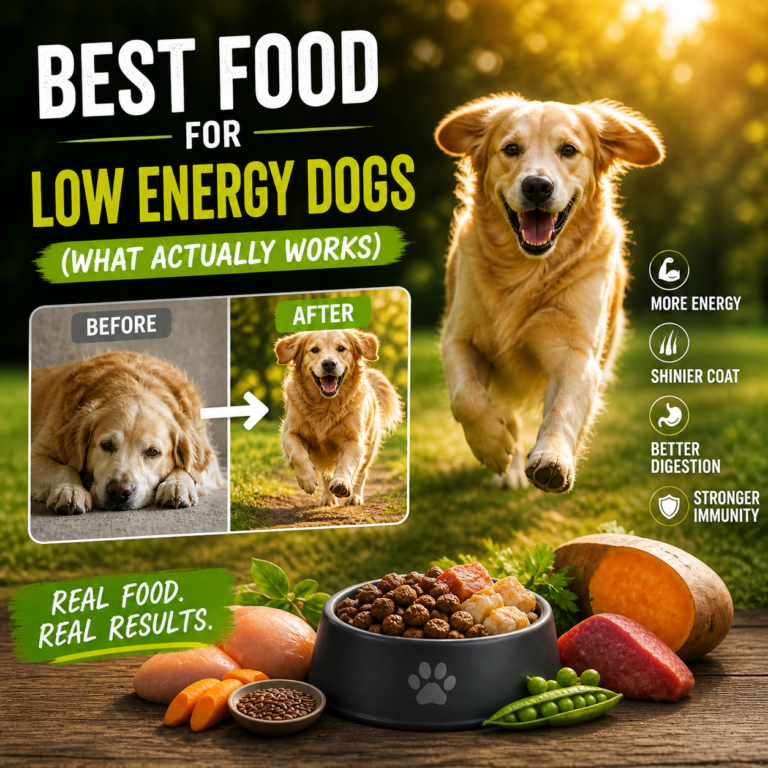
Appetite is not the only thing that matters. If your dog also seems unusually tired, this guide to the best food for small dogs with low energy explains what to consider and when you should talk to your veterinarian.
Price
Freeze-dried food is often more expensive because of the way it is produced. Air-dried food also tends to fall into the premium price range, although the cost depends on the recipe, protein source, and manufacturer.
There is one advantage when you have a small dog: their daily portions are smaller. A bag that a large dog would finish very quickly may last much longer for a small dog.
If switching completely to this type of food does not fit your budget, you can use a small amount as a topper for your dog’s current meal. Just remember to include it in your dog’s total daily calorie intake.
Why Are Small Dogs Often Picky Eaters?
Not every small dog is picky, but this habit can be easier to develop in little dogs.
When a dog refuses a meal, the owner worries that they have not eaten enough. So, a little cooked meat gets added to the bowl. The next day, the dog waits for cheese. The day after that, they hold out for something even more exciting.
The dog quickly learns one very simple rule:
“If I stare at the bowl long enough, a better offer will arrive.”
This does not mean you should ignore a dog who is not eating. A loss of appetite can be related to dental problems, pain, nausea, stress, or another health condition.
However, if your dog is healthy, happy, and perfectly willing to eat a treat but regularly refuses only their normal food, they may have developed a habit of waiting for a tastier option.
A new food with a stronger aroma may help, but it will not solve the problem if every rejected meal is replaced with something even more tempting.
Benefits of Freeze-Dried Food for Picky Small Dogs
Freeze-dried food can be a good choice because it:
- has a strong smell and flavor
- is easy to crumble over another food
- can be softened with water
- works well for dogs that struggle with hard pieces
- is very light and easy to store
- can be used as a complete meal, topper, or treat, depending on the product
Its biggest advantage is flexibility.
If your dog refuses kibble, you can crumble one or two pieces over it. If your dog does not like the dry texture, you can add warm water. If you simply want to find out whether they like the flavor, you can offer one small dry piece as a treat.
Downsides of Freeze-Dried Food
Freeze-dried food is not perfect.
It can be expensive, it crumbles easily inside the bag, and it may take a few minutes to prepare if you rehydrate it. Once it has been mixed with water, it should not sit at room temperature for long. Remove any uneaten food according to the manufacturer’s instructions.
If the product is made from raw ingredients, there are also concerns about bacteria and safe handling. Wash your hands, the bowl, and any surfaces that have come into contact with the food. Extra care is needed in homes with young children, older adults, or people with weakened immune systems.
You can also review the FDA’s raw pet food safety guidance for more information about safe handling and potential risks.
Freeze-drying is not the same as cooking, so you should not assume that the process eliminates every potential microorganism.
Benefits of Air-Dried Food for Picky Small Dogs
Air-dried food may be more practical if you want:
- a meal that requires no preparation
- pieces that do not crumble as easily
- a texture similar to a meaty treat
- food that is convenient for travel
- simple portioning
- a strong aroma without adding water
Many picky dogs think air-dried pieces are treats, even when they are actually eating a complete meal. This can make feeding easier when your dog keeps turning away from kibble.
Downsides of Air-Dried Food
Air-dried food is calorie dense, so it is very easy to serve more than your dog needs.
The pieces may be too large or too firm for a very small dog, especially one with dental problems. In that case, you can cut or break them into smaller pieces, as long as the manufacturer does not advise otherwise.
This type of food can also be expensive, and some products are designed only for occasional or supplemental feeding. So once again, check the label before you declare a pretty bag covered in pictures of meat to be a complete dinner.
How Do You Choose the Right Food for Your Dog?
Do not choose based only on the words “freeze-dried” or “air-dried.” Look at the product as a whole.
Check Whether the Food Is Complete and Balanced
If it will be your dog’s main meal, the label should clearly state that it provides complete and balanced nutrition for the appropriate life stage.
A product labeled as a treat, topper, or supplemental food should not replace a complete meal.
Look at the Protein Source
If you already know that your dog likes chicken, turkey, or beef, start with a familiar flavor.
If your dog has a confirmed allergy or health condition, talk to your veterinarian about the right food. Do not assume that an unusual or “natural” recipe is automatically suitable for your dog.
Consider the Size and Firmness of the Pieces
A food may have a great ingredient list, but if every piece is half the size of your dog’s muzzle, dinner will quickly turn into a construction project.
For very small dogs, choose smaller pieces or food that is easy to break apart and soften.
Compare the Cost per Daily Serving
The price of the bag does not tell you how much feeding your dog will actually cost.
Look at the recommended daily amount for your dog’s weight and calculate how many days the package should last. Sometimes a more expensive bag lasts longer because the food is higher in calories and is served in smaller portions.
Start With the Smallest Bag
Do not buy the biggest bag right away for a picky dog.
That is a lesson most owners of picky dogs learn only after building a small collection of expensive, opened bags in the kitchen.
If possible, start with the smallest size or a trial pack.
For a picky small dog, buy the smallest bag first and test one protein source at a time. A food can look perfect on paper, but smell and texture often decide whether it ends up in the bowl—or at the back of your cupboard.
How Should You Switch to a New Food?
Even if your dog devours the new food with enthusiasm, do not replace the entire meal right away.
Introduce the new food gradually over several days, or follow the manufacturer’s instructions and your veterinarian’s advice. Start with a small amount mixed into the old food, then slowly increase the proportion of the new food.
Watch for changes in your dog’s:
- stool
- gas
- vomiting
- itching
- energy
- appetite
- body weight
If your dog develops persistent diarrhea, vomiting, severe itching, or any other worrying symptoms, stop the transition and contact your veterinarian.
Can You Use This Food Only as a Topper?
Yes, and it can be a good compromise for a picky small dog.
Crumble one freeze-dried piece over your dog’s kibble, or add a few small pieces of air-dried food. The goal is not to cover the entire meal with meat. You only need to add enough smell and flavor to catch your dog’s interest.
However, toppers still contain calories. If you add a larger amount every day, reduce the main food accordingly.
Also, do not increase the amount of topper every time your dog hesitates. Otherwise, your dog will quickly learn that patience pays off—and that the first addition is only the beginning of the negotiations.
Common Mistakes Owners Make
Assuming More Expensive Food Must Suit Every Dog
A high-quality food may have an excellent recipe, but your dog still may not like its taste, texture, or one particular ingredient.
Not Checking Whether the Product Is a Complete Meal
Freeze-dried treats and toppers often look similar to complete dog food. Always read the label.
Serving Portions That Are Too Large
When owners see a small amount of food in the bowl, they often add more. With calorie-dense food, that can quickly lead to weight gain.
Constantly Changing Flavors
If you open a new food every few days, your dog may become even pickier. Give them enough time to adjust unless they are having digestive problems or other health issues.
Using Tastier Food Instead of Checking for a Health Problem
A dog who suddenly stops eating may not simply be picky. Painful teeth and gums, in particular, can change the way small dogs eat.
If your dog’s appetite changes suddenly or they even refuse favorite treats, do not try to solve the problem only by changing their food.
Freeze-Dried or Air-Dried: My Choice for a Picky Small Dog
For a dog who refuses hard food, does not drink much water, or prefers softer, more aromatic meals, I would try a freeze-dried food that can be rehydrated first.
For a dog who enjoys chewing, loves meaty treats, and has no dental problems, air-dried food may be the more convenient choice.
In my experience, ingredients are not the only thing that matters to picky dogs. Sometimes texture makes the biggest difference. A dog may refuse food in one form and then happily eat almost identical ingredients as soon as they are softer, smaller, or smell stronger.
So do not look for the food that every other dog supposedly loves. Watch the dog sitting in front of you.
Does your dog like soft meals? Do they prefer to chew? Do large pieces bother them? Do they eat more readily when the food releases a stronger aroma after you add warm water?
The answers to those questions will often tell you more than the front of any package.
Frequently Asked Questions
Neither type is automatically better for every dog. Freeze-dried food may work better for dogs that prefer softer meals or need extra moisture, while air-dried food may suit dogs that enjoy chewier, treat-like pieces.
Air-dried food can be appealing to picky dogs because it usually has a concentrated smell, rich flavor, and meat-like texture. However, start with a small bag because even high-quality food will not appeal to every dog.
Some freeze-dried foods can be served dry, while others should be rehydrated before feeding. Always follow the instructions on the package, especially if the food is intended to be served as a complete meal.
Yes. You can crumble a small amount of freeze-dried food over kibble or add a few pieces of air-dried food as a topper. Remember to include those extra pieces in your dog’s total daily calorie intake.
No. Many freeze-dried products are made with raw ingredients, but processing methods vary between manufacturers. Check the label and the manufacturer’s information instead of assuming that every freeze-dried product is raw.
Rehydrated freeze-dried food is usually easier for small dogs with sensitive teeth, missing teeth, or difficulty chewing. Air-dried pieces tend to be denser and may need to be broken into smaller pieces.
Final Thoughts
Both freeze-dried and air-dried dog food can be excellent options for picky small dogs. Both usually have an appealing aroma, plenty of flavor, and are convenient to serve.
Freeze-dried food gives you more ways to adjust the texture and add moisture. Air-dried food is easier to serve every day and often feels like a treat.
Whichever one you choose, make sure the product is complete and balanced, measure portions carefully, and introduce the new food gradually.
And if your dog suddenly refuses food they were eating normally until yesterday, do not immediately assume they are being spoiled. Sometimes picky eating really is a habit, but sometimes it is the first sign that something is wrong.
Disclaimer: This article is for general informational purposes only and is not a substitute for professional veterinary advice. Talk to your veterinarian before making a major change to your dog’s diet, especially if your dog has a health condition, allergies, a sensitive stomach, or takes medication.