
HOW TO CLEAN DOG`S EARS SAFELY AT HOME (Step-by-Step Guide)
Note: Some links in this article are affiliate links, which means I may earn a small commission if you choose to purchase through them. This comes at no extra cost to you. I only recommend products I truly believe in and would confidently give to my own dog.
Cleaning your dog’s ears can feel intimidating, especially if you are worried about hurting them. The good news is that routine ear care can be simple when your dog’s ears are healthy and you use a gentle, dog-safe cleaner correctly.
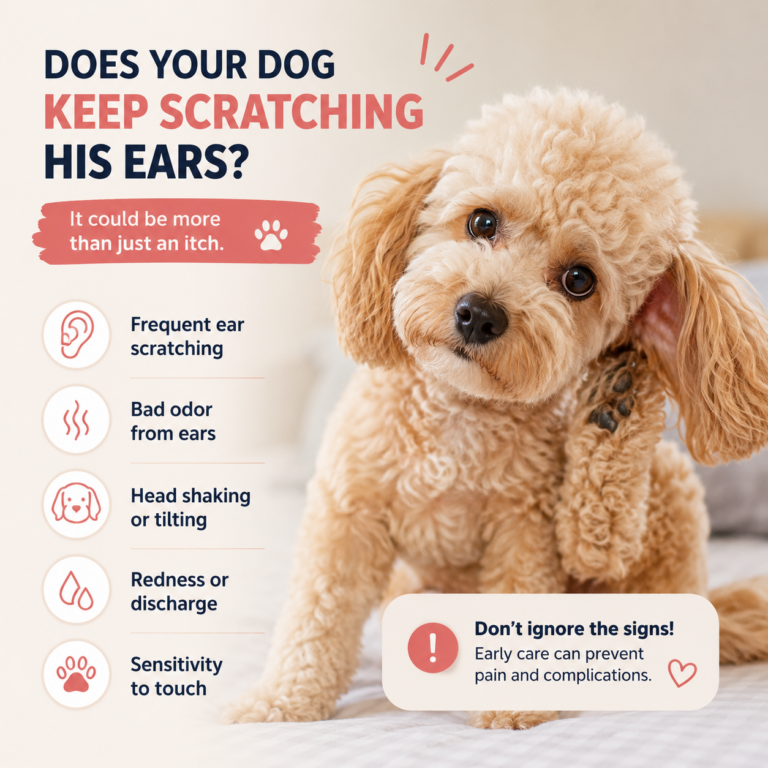
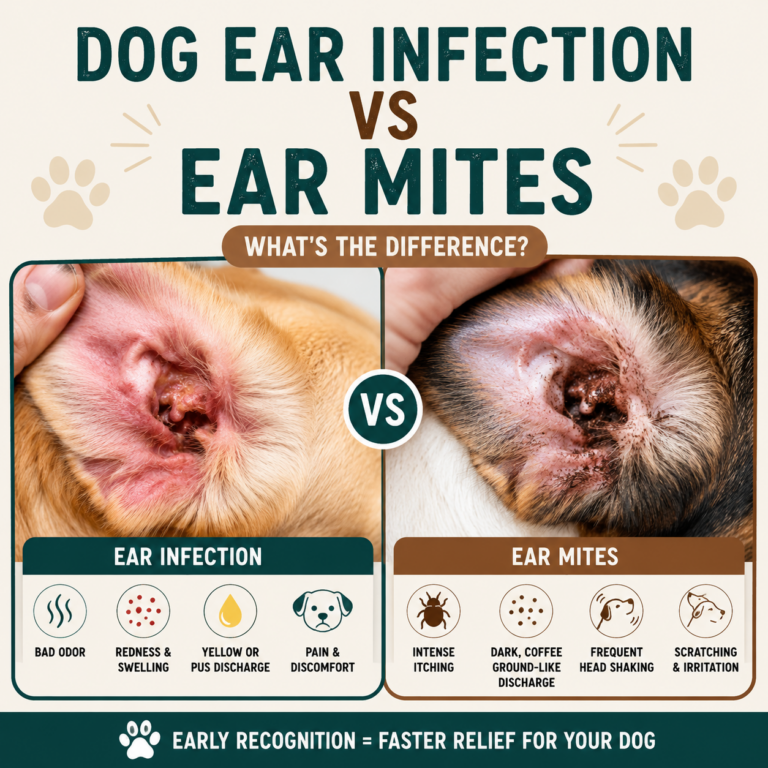
But cleaning is not always the right first step. If your dog has pain, redness, an unpleasant smell, or unusual discharge, contact your veterinarian before putting anything in the ear. Those signs may need an examination and specific treatment.
This guide explains how to check your dog’s ears, when cleaning may be appropriate, and how to do it gently at home.
Does Every Dog Need Regular Ear Cleaning?
No. Some dogs need occasional cleaning, while others do not need their ears cleaned routinely. The right schedule depends on your dog’s ears, health history, lifestyle, and your veterinarian’s advice.
Dogs who swim often or have a history of ear problems may need a specific care routine. Floppy ears or a particular coat type do not automatically mean that a dog needs frequent cleaning.
Check your dog’s ears regularly, but don’t clean them just because a certain number of days has passed. Over-cleaning can irritate the ear canal. If your dog has recurring ear problems, ask your veterinarian how often to clean and which product to use. VCA Animal Hospitals
What Do Healthy Dog Ears Look Like?
A healthy ear is usually comfortable when touched and has no strong unpleasant smell, marked redness, swelling, or unusual discharge. A small amount of wax can be normal.
Get to know what is typical for your dog. A sudden change in smell, appearance, or comfort is more useful to notice than trying to make the ears look perfectly clean.
When Should You Avoid Cleaning at Home?
Pause and contact your veterinarian if you notice:
- Pain or strong sensitivity when you touch the ear
- Redness or swelling
- A strong or unpleasant smell
- Dark, thick, bloody, or pus-like discharge
- Frequent scratching or head shaking
- A head tilt, loss of balance, or other sudden change
These signs can have different causes, and cleaning alone may not address them. A veterinarian can examine the ear and advise whether cleaning is appropriate. If an ear is painful, stop rather than trying to hold your dog still and continue.
For more details, read Dog Ear Infection Signs Most Owners Miss and Why Does My Dog Keep Shaking His Head?.
What You’ll Need
For routine cleaning, have these ready:
- An ear-cleaning solution made for dogs and suitable for your dog
- Cotton balls, gauze, or soft cotton pads
- A towel
- A few small treats
If your dog has a history of ear infections, a sensitive ear, or is using ear medication, ask your veterinarian which cleaner to use. Do not assume that a product labeled “natural” is suitable for every dog or every ear problem.
This article contains affiliate links. I sometimes use PetGlow Natural Turmeric Dog Ear Cleaner from Celsius Herbs for routine ear care. It is not a treatment for an ear infection, and the right cleaner can depend on the individual dog. Ask your veterinarian if you are unsure whether it is suitable for your dog.
Avoid putting alcohol, hydrogen peroxide, vinegar, soap, or human ear products into your dog’s ear unless your veterinarian specifically instructs you to do so.
How to Clean Your Dog’s Ears
Only follow these steps if your dog’s ears appear healthy and your dog is comfortable with gentle handling.
1. Choose a calm moment
Work in a quiet place and keep treats nearby. If your dog becomes worried, pause and try another time. You can first practice briefly touching the ear and rewarding your dog, without cleaning it.
2. Position your dog comfortably
Small dogs may sit on your lap or beside you; larger dogs can sit or lie down on a nonslip surface. Avoid pinning your dog down. If they struggle, become frightened, or seem painful, stop.
3. Read the cleaner’s directions
Follow the label and any instructions from your veterinarian. Do not insert the bottle tip into the ear canal or forcefully squeeze cleaner into the ear. If your dog cannot tolerate drops, ask your veterinarian whether applying cleaner to gauze or a cotton pad is an appropriate alternative.
4. Apply the cleaner gently
If the directions say to apply it into the ear, use the amount recommended on the label. Keep the bottle tip from pressing into the ear.
5. Massage the base of the ear
With the ear flap gently held, massage the base of the ear for the time recommended by the product instructions. Use a light touch. Stop if your dog shows pain or distress.
6. Let your dog shake their head
Many dogs shake their heads after cleaning. Let them do so, and use a towel to catch any solution that comes out.
7. Wipe only what you can easily see
Use a soft cotton pad, gauze, or cotton ball to wipe the visible part of the ear and the ear flap. Don’t push anything deep into the canal. Never use cotton swabs inside the ear.
Veterinary guidance from Cornell and VCA also emphasizes gentle handling, wiping away loosened debris, and stopping if cleaning seems painful. vet.cornell.edu
How Often Should You Clean Your Dog’s Ears?
There is no schedule that suits every dog. Some dogs need only occasional cleaning; others may need a routine recommended by their veterinarian. Check the ears regularly and clean them only when needed or as advised for your dog.
If your dog’s ears keep getting dirty, smell unpleasant, or seem to need frequent cleaning, arrange a veterinary check instead of simply cleaning more often.
Common Ear-Cleaning Mistakes
Try to avoid:
- Cleaning on an automatic schedule when the ears look healthy
- Cleaning too often
- Using a product that was not made for dogs or recommended for your dog
- Pushing cotton swabs or other objects into the ear canal
- Pouring homemade mixtures into the ear
- Continuing when your dog seems painful or frightened
- Trying to treat recurring symptoms with cleaning alone
A gentle routine should not become a struggle. If your dog finds ear handling difficult, practice in short sessions with rewards, or ask your veterinarian for help.
A Simple Ear-Check Routine
When you check your dog’s ears, look for changes in smell, redness, swelling, discharge, or comfort. If everything seems normal, cleaning may not be needed. If you notice a concerning change, contact your veterinarian before cleaning.
If your dog has long hair around the ears, check the coat and skin as part of grooming too. Here’s a guide to preventing mats behind your small dog’s ears.
Frequently Asked Questions
No. Don’t put cotton swabs into the ear canal. Use gauze, a cotton ball, or a soft pad to wipe only the parts you can easily see.
Don’t put these substances in your dog’s ears unless your veterinarian specifically tells you to. Use a dog ear cleaner that is suitable for your dog and follow its directions.
A regular visual check can help you notice changes. How often to clean them depends on your dog; ask your veterinarian for an individual schedule if your dog has recurring ear problems or other special needs.
A brief shake may happen after cleaning. If head shaking continues, happens often, or comes with pain, redness, odor, or discharge, contact your veterinarian.
Contact your veterinarian if your dog has pain, swelling, redness, unusual discharge, a strong smell, frequent scratching or head shaking, or any sudden change in balance or head position.
Veterinary note: This article is for general educational purposes and does not replace veterinary advice, diagnosis, or treatment. Contact your veterinarian if you are concerned about your dog’s ears, symptoms are new or worsening, or you are unsure whether it is safe to clean them.