Why Does My Dog Follow Me Everywhere? Love, Habit, or Separation Anxiety?
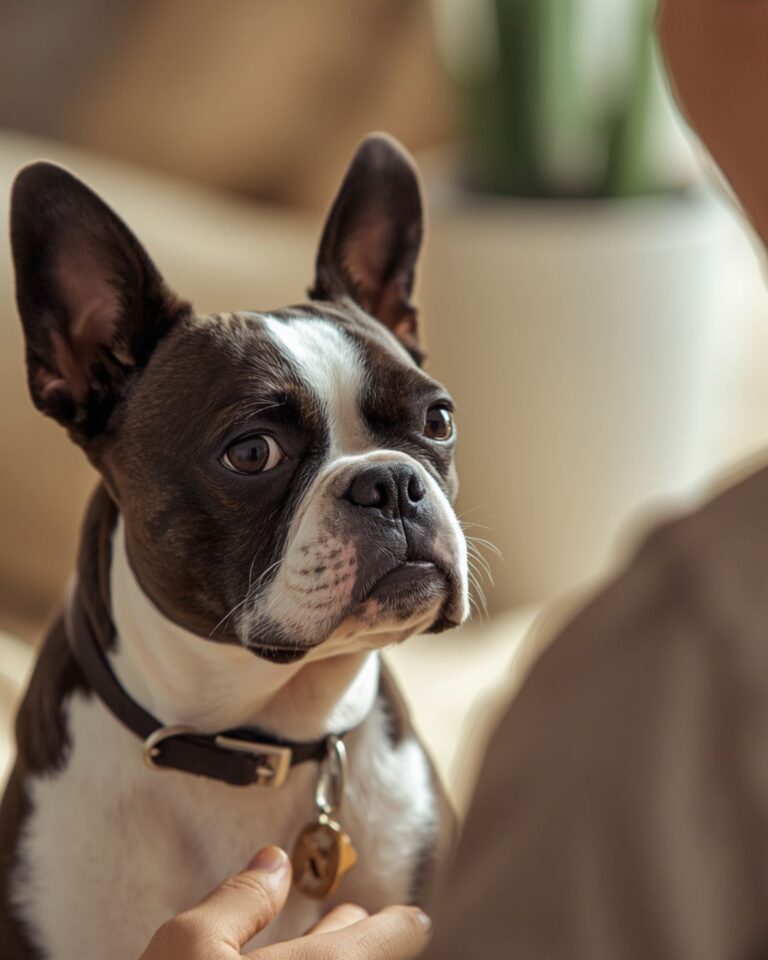
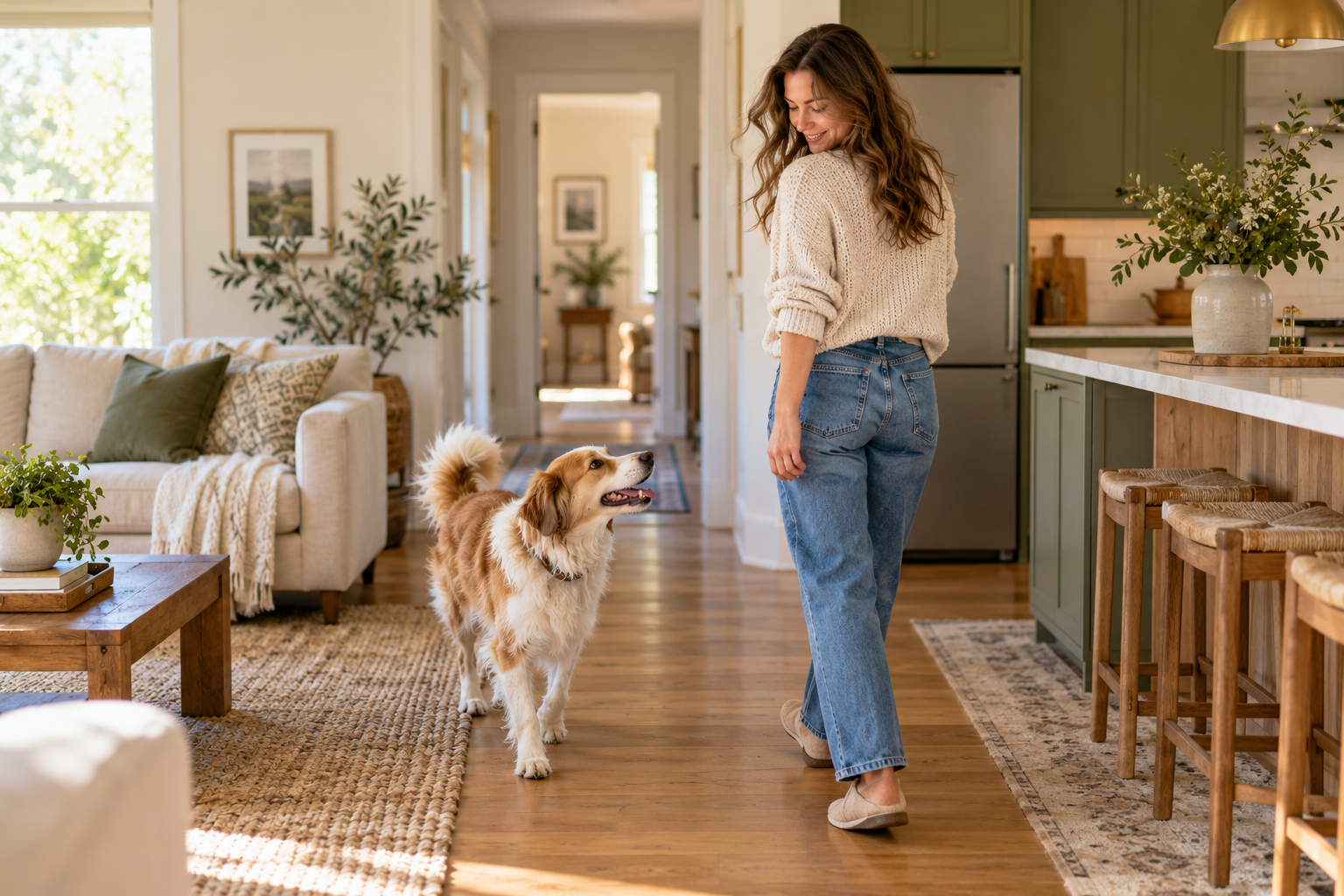
If you get up to go to another room and your dog immediately follows, this scene probably feels familiar: your dog follows you to the kitchen, waits outside the bathroom, and watches your every move. Sometimes it’s sweet. Other times, you may wonder if this is normal or if your dog simply can’t be alone.
In most cases, a dog follows their person because they enjoy their company, are used to sharing a routine, or expect something interesting to happen. Following you around does not, by itself, mean your dog has separation anxiety. What matters more is how your dog behaves when they can’t be with you and when they’re left alone.
Why does my dog follow me from room to room?
Dogs are social animals, and many enjoy staying close to people they feel safe with. Your dog may follow you because they like your company, have learned your daily routine, or associate you getting up with a walk, food, play, or attention.
Some dogs simply want to know what’s going on. If your dog sees you head to the kitchen and sometimes gets a treat, they may eventually learn that following you is worth it.
For a puppy, following you can be part of getting used to a new home and feeling safe. Still, it’s helpful to gradually teach your puppy to relax in their own spot without needing to be right beside you all the time.
Does my dog follow me everywhere because they love me?
It may mean your dog enjoys your company and feels safe with you. But following you alone can’t tell us exactly how your dog feels or whether they become anxious when you’re not nearby.
Some dogs are happy just being in the same room. Others choose to sleep in their own bed, even when their person is close by. That doesn’t mean they’re less attached. Dogs have different personalities, habits, and preferences when it comes to closeness.
So, you don’t need to treat every case of following as a problem. Look at the bigger picture: Can your dog relax and rest? Can they stay alone without becoming distressed? Has their behavior changed?
If you’re wondering whether your dog feels safe and connected to you, look for these signs your dog trusts you.
Is it a habit or a way of asking for attention?
Sometimes dogs learn that following their person leads to a reward. The reward doesn’t have to be food. It could be petting, talking, play, or having a door opened for them.
If your dog follows you and then gets attention, they may do it more often. That doesn’t mean your dog is “manipulative.” They’ve simply made a connection: I follow my person, and something nice happens.
Try to notice when your dog follows you most often:
- Do they do it before mealtime or a walk?
- Do they follow you only when you move around the house?
- Can they stay on their bed while you’re in another room?
- Do they relax when you stop moving?
- Do they seem distressed as soon as they can’t reach you?
Your answers can help you tell the difference between everyday following and a dog who has trouble coping with separation.
When can following you be a sign of separation anxiety?
Following you around is not enough, on its own, to conclude that your dog has separation anxiety. The Merck Veterinary Manual notes that dogs who show close attachment, such as following family members around the house, are not automatically at greater risk of separation anxiety. What matters is whether your dog shows signs of distress when separated from the person they’re attached to. Merck Veterinary Manual
Possible signs of distress include:
- Persistent barking or howling after you leave
- Restlessness, pacing, or panting while you get ready to go out
- Trying to follow you through the door or escape from the area where they’ve been left
- Scratching or damaging doors, windows, or other objects, especially while alone
- Having accidents indoors only when you’re away
- Excessive drooling, trembling, or refusing food while alone
These signs may point to stress, but they don’t confirm a diagnosis by themselves. For example, barking or having an accident can have other causes too. The ASPCA recommends looking at whether the problem happens while the dog is alone and whether it comes with other signs of distress. ASPCA
If barking is one of the behaviors you’re noticing, learn more about why dogs bark and how to respond without punishment.
If you’re not sure what your dog does when you’re away, a camera or phone can give you a clearer picture. Veterinarians often recommend recording a dog while they’re alone because it can show whether they become distressed and when it happens. VCA Animal Hospitals
How can I help my dog stay calm when I’m not nearby?
The goal isn’t to make your dog stop loving you or wanting to be close to you. The goal is to help them feel secure enough to rest on their own too.
For more practical ideas on helping your dog feel comfortable alone, read our guide on how to help your dog stay home alone.
- Create a comfortable place to rest. Put your dog’s bed somewhere they like to spend time. Reward them when they choose to lie down there or settle calmly.
- Practice short, easy separations. When your dog is relaxed, move a few steps away and then come back. Gradually increase the distance and time only if your dog stays calm. If they start to panic, the step was too difficult.
- Reward calm behavior. When your dog relaxes on their own or plays with a toy, praise them quietly or give them a small treat. You don’t have to call them over every time.
- Offer activities that suit your dog’s needs. Walks, sniffing, play, and safe toys can help keep your dog happy, but they don’t replace gradually learning to spend time alone.
- Keep departures and returns calm. If your dog seems distressed, don’t punish them for barking or damaging something. Punishment doesn’t address the fear that may be behind the behavior.
If your dog becomes very distressed, don’t suddenly leave them alone for longer periods in the hope that they’ll “get used to it.” The ASPCA describes a gradual approach that teaches dogs to be alone without experiencing fear. For a plan that suits your dog, talk to your veterinarian or a qualified dog behavior professional. ASPCA
When should I talk to a veterinarian?
Talk to your veterinarian if your dog shows strong signs of distress when left alone, tries to escape and gets hurt, or has had a sudden change in behavior. A sudden change, especially in an older dog, is worth checking to rule out a health problem. Your veterinarian can assess the situation and recommend further help if needed.
From my experience with dogs
After many years of working with dogs, I’ve learned that the best way to understand their behavior is to look at the whole situation. A dog who follows their person and then calmly falls asleep in the same room may simply enjoy the company. A dog who can’t settle once the door closes is showing us that separation is difficult for them. So I don’t look only at how often a dog follows someone. I also look at whether they can rest, explore their surroundings, and stay calm when their person isn’t nearby.
Common mistakes
- Assuming a dog has separation anxiety just because they follow their person
- Thinking a dog who rests on their own is less attached to their family
- Suddenly leaving a dog alone for a long time when they’re already showing fear
- Punishing a dog for barking, scratching, or having an accident while alone
- Assuming every problem that happens while a dog is alone is caused by separation anxiety without checking for other possible reasons
Frequently asked questions
That alone doesn’t have to be a cause for concern. Some dogs like staying close to their people and follow them around the house. Pay attention to whether your dog can settle when they can’t come with you.
You don’t have to ignore your dog. You can give them attention while also rewarding them when they relax calmly in their own spot. This helps them learn that both spending time near you and resting on their own are part of everyday life.
It depends on the dog, their personality, routine, and experiences. Some dogs become more independent over time, while others continue to enjoy being in the same room. Following you isn’t something every dog has to grow out of.
If you can, watch what your dog does after you leave, using a camera. Look for persistent barking, pacing, drooling, escape attempts, or other signs of stress. A recording can also help you describe what’s happening to your veterinarian.
Not necessarily. Following you may be a sign of closeness, habit, or an expectation that something is about to happen. To work out whether separation anxiety may be a concern, pay more attention to whether your dog becomes distressed when left alone or separated from you.
Final thoughts
If your dog follows you from room to room, they probably enjoy your company or have learned that your movements often lead to something interesting. Following you alone doesn’t mean they have separation anxiety. Pay attention to how they behave when they can’t be with you. If they can relax and stay alone calmly, there may be no reason to worry. If they show clear signs of fear, ask your veterinarian for advice.
Sources
- ASPCA: Separation Anxiety
- VCA Animal Hospitals: Separation Anxiety in Dogs
- Merck Veterinary Manual: Behavior Problems of Dogs