Why Won’t My Puppy Poop Outside? 9 Common Reasons and What You Can Do
You take your puppy outside and wait patiently, but they just sniff around, look at everything, and do nothing. As soon as you get back inside, they poop on the rug. This can be frustrating, but it usually doesn’t mean your puppy is being stubborn or will never learn.
If you’re still working on the basics, our step by step guide to potty training your puppy can help you build a clear, consistent routine.
Your puppy may not understand where they’re supposed to go yet. They may find everything outside too exciting, or something out there may be frightening them. Sometimes, they simply don’t need to poop yet. A calm approach, a predictable routine, and an immediate reward when they go in the right place can make a big difference.
Is it normal for a puppy not to poop every time they go outside?
Yes. Not every trip outside has to end with a bowel movement. Puppies often poop after eating, sleeping, or playing, but every puppy has their own routine. Keep track of when yours usually goes and plan outings around those times.
Pay attention to whether your puppy only refuses to poop outside or seems to have trouble pooping anywhere. Straining without producing stool, hard and dry poop, vomiting, belly pain, loss of appetite, or low energy are reasons to contact your veterinarian. Constipation can cause straining and hard, dry stool. Signs such as vomiting or pain need prompt veterinary attention. Merck Veterinary Manual
9 reasons your puppy won’t poop outside
1. They haven’t learned that outside is the place to go
Puppies don’t come home knowing all the house rules. If your puppy used a pee pad, newspaper, or a sleeping area before, they may have learned to go on a certain surface rather than in a certain place.
What to do: Choose a quiet spot outside and take your puppy there through the same door whenever you can. Be consistent, and reward them as soon as they poop.
2. The outing is too short, or you head back inside too soon
Some puppies need a few minutes to settle. If you end the outing as soon as your puppy doesn’t poop right away, they may learn that outside is just for a quick stop and that they’ll get another chance once they’re back indoors.
What to do: Take your puppy to the usual spot and wait calmly for a few minutes. If they don’t go, head back inside and keep a close eye on them. Take them out again as soon as you notice signs they may need to go, such as sniffing, circling, or acting restless.
If your puppy also pees soon after coming back indoors, here’s why your puppy may pee after coming back inside.
3. There are too many distractions outside
Street sounds, people walking by, other dogs, and new smells can be more interesting than going to the bathroom. Your puppy may spend the whole time exploring and only remember they need to poop after coming back inside.
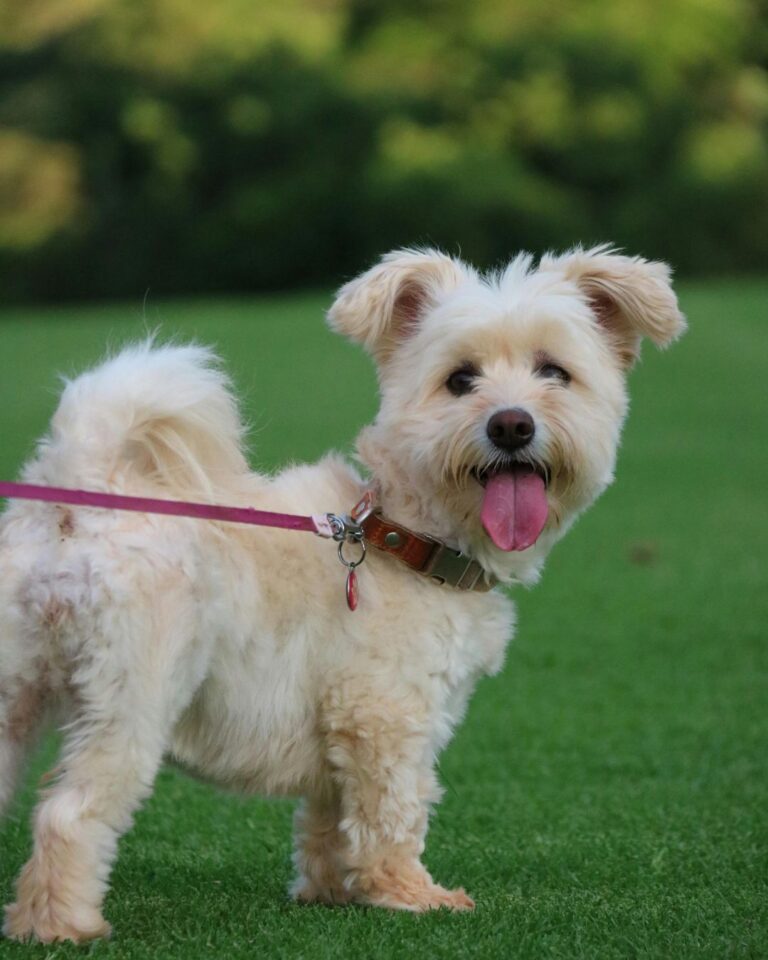
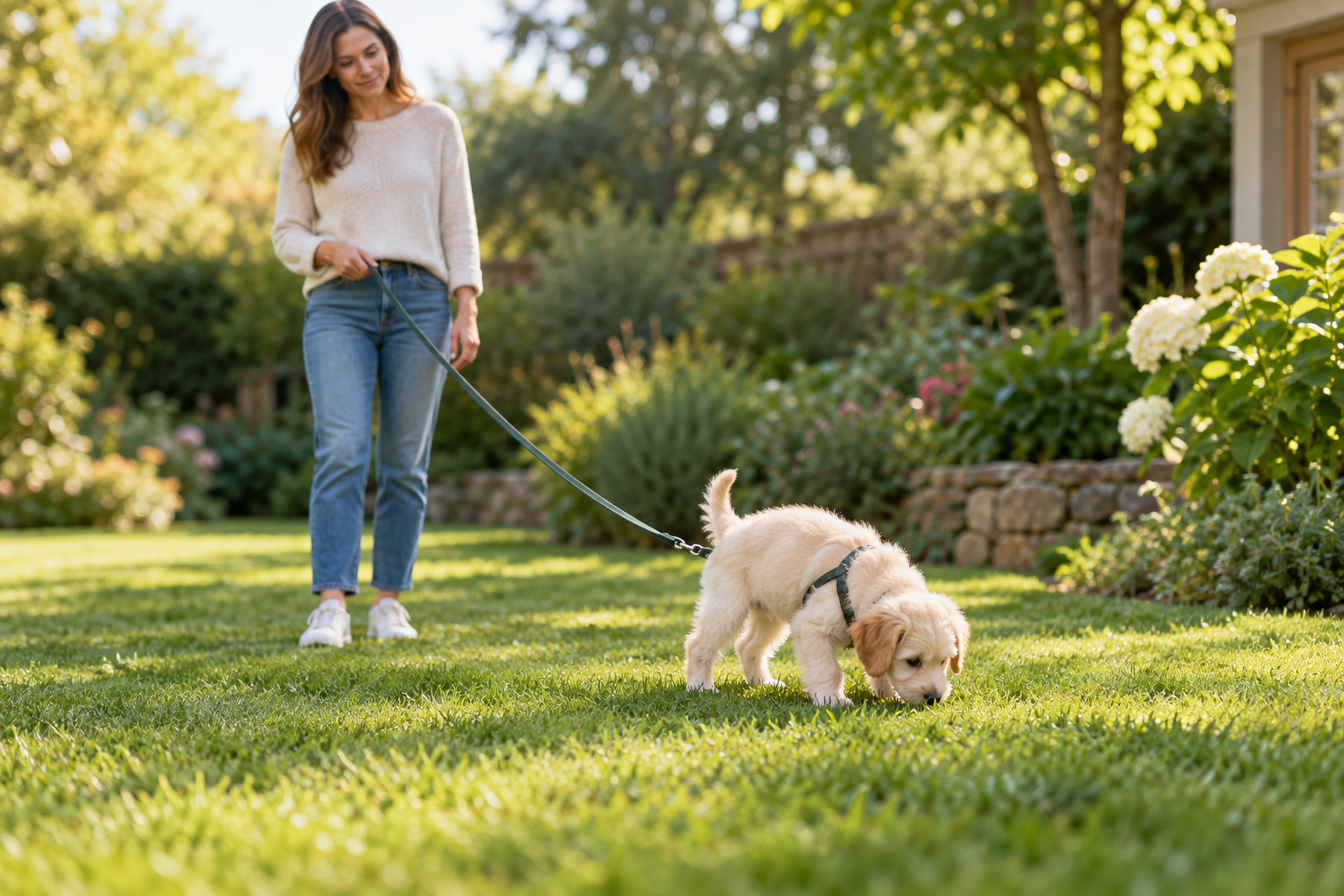
What to do: Start in a quieter spot and use a leash so you can stay close to your puppy. Let them poop before extending the walk or starting playtime.
4. Something outside is frightening them
Traffic, wind, rain, loud noises, or unfamiliar people can make a puppy feel unsafe. A frightened dog may not be able to relax enough to poop.
What to do: Try a quieter place or go outside when it’s less busy. Don’t pull your puppy toward anything that scares them. Give them time to explore at their own pace, and praise them for staying calm.
5. They don’t like being watched or hurried
Some puppies find it hard to relax when their owner stares at them, repeats a cue, or leans over them. If you also seem impatient, your puppy may stop trying and wait until they get back inside.
What to do: Stand quietly, keep the leash loose, and look away. You can introduce a short cue such as “go potty,” but say it softly and only once your puppy starts getting into position.
6. They don’t need to go yet
If your puppy hasn’t eaten for a while or has just pooped, they may simply not need to go again. Taking them outside at random times can make it look as though they’re refusing to poop, even when they don’t need to.
What to do: Keep track of when your puppy eats, sleeps, plays, and poops. Many puppies do well with a trip outside after a meal, a nap, or playtime. Watch your puppy’s routine instead of relying only on the clock.
To make outings easier to plan, follow this puppy potty training schedule by age.
7. They’re used to pooping inside
If your puppy has pooped in the house several times, the familiar smell may draw them back to the same spot. They may also feel safer indoors or be used to going on a particular surface.
What to do: Clean accidents with a product made to remove pet odors. Temporarily block access to spots where accidents often happen, and watch your puppy more closely after an unsuccessful outing. A lingering smell can encourage a dog to use the same spot again. VCA Animal Hospitals
8. The schedule and rules aren’t consistent
If one family member takes the puppy to the grass, another uses a pee pad, and someone else starts playing as soon as they get outside, your puppy may receive mixed messages. It’s also harder for them to learn if the reward comes after you get back inside instead of right where they pooped.
What to do: Agree as a family on where your puppy should go, which cue you’ll use, and how you’ll reward them. Give your puppy a small treat and praise as soon as they finish, while you’re still outside. Consistency, supervision, and positive rewards are all important parts of house training. VCA Animal Hospitals
9. There may be a health problem
If your puppy tries to poop but can’t, or their bathroom habits suddenly change, the cause may not be a training issue. Pain when pooping, constipation, digestive problems, or swallowing something they shouldn’t all call for veterinary advice.
What to do: Write down when your puppy last pooped, what the stool looked like, whether they’re eating and drinking normally, and whether they’re straining. If you think they may have swallowed an object, contact your veterinarian right away. Don’t give human laxatives or medication on your own. Some products can be dangerous for animals. Merck Veterinary Manual
A simple plan for your next outing
- Take your puppy out after a meal, nap, or play session, when they’re more likely to need to go.
- Take them to a quiet, familiar spot and stay with them.
- Wait calmly for a few minutes without playing or rushing them.
- If they poop, praise them right away and offer a small treat.
- If they don’t go, head back inside and keep an eye on them. Try again as soon as you notice sniffing, circling, or restlessness.
Veterinary guidance also recommends staying with your puppy while they’re learning. Puppies can get distracted when left outside alone and may wait until they come back indoors to poop. Save playtime outside until after they’ve gone. VCA Animal Hospitals
Mistakes that can slow down learning
- Scolding or yelling when your puppy has an accident indoors.
- Bringing them inside unsupervised right after an unsuccessful outing.
- Starting play or letting them run around before they poop.
- Changing the potty spot, cue, and routine from day to day.
- Waiting until you’re back inside to give the reward.
- Assuming your puppy is being spiteful or deliberately ignoring you.
If you catch your puppy just as they’re starting to poop inside, calmly interrupt them without scaring them and take them outside. If you only find the accident later, just clean it up. Punishment can confuse or frighten your puppy without teaching them where they should go. VCA Animal Hospitals
What I’ve learned from working with puppies
Over the years, I’ve seen how worrying it can be for owners when their puppy only poops after coming back inside. In these situations, it helps to first ask whether the puppy had enough time, whether something outside was distracting them, and whether the same routine is being followed each day. Calm repetition usually works better than longer and longer walks or more pressure.
Every puppy learns at their own pace. If your puppy doesn’t poop outside today, it doesn’t mean training has failed. Make a note of what happened and try again at the next likely opportunity.
If you’re still working on your puppy’s potty training, download my free puppy potty training PDF for practical steps you can follow at home.
Frequently asked questions
Why does my puppy poop as soon as we get inside?
Your puppy may be excited, frightened, or distracted outside, so they don’t go while they’re out there. They may feel safer indoors or be drawn to a spot where they’ve gone before. Keep an eye on them after an unsuccessful outing, and take them outside again as soon as they show signs they need to go.
How long should I wait outside?
Wait calmly for a few minutes. If your puppy doesn’t poop, head back inside and supervise them instead of letting them wander into another room. Try again when they show signs they need to go.
Should I punish my puppy for pooping inside?
No. Punishment won’t reliably teach your puppy to poop outside. It may frighten them or make them hide when they need to go. Clean up the spot and adjust your supervision and routine.
When should I call the veterinarian?
Call your veterinarian if your puppy repeatedly strains without producing stool, has hard and dry stool, or shows signs of illness such as vomiting, pain, low energy, or loss of appetite. If your puppy may have swallowed an object, don’t wait to see if the problem goes away on its own.
Expert sources
- VCA Animal Hospitals, House Training for Puppies and Dogs VCA Animal Hospitals
- Merck Veterinary Manual, Disorders of the Stomach and Intestines in Dogs Merck Veterinary Manual