
Dog Ear Infection Signs Most Owners Miss (And What To Do Next)
Note: Some links in this article are affiliate links, which means I may earn a small commission if you choose to purchase through them. This comes at no extra cost to you. I only recommend products I truly believe in and would confidently give to my own dog.
Cleaning a dog’s ears can feel intimidating at first. Many owners worry they might hurt their dog or push dirt too far into the ear.
The good news is that routine ear cleaning is usually simple when your dog’s ears are healthy and you use a cleaner made for dogs. The key is to clean only when needed, follow the product instructions, and avoid putting anything deep into the ear canal.
If your dog has a bad smell, redness, swelling, discharge, pain, or keeps shaking their head, don’t try to treat the problem by cleaning at home. Contact your veterinarian first. Those signs can have different causes, and your dog may need an examination.
If you’re unsure which may be causing your dog’s symptoms, read our guide to the difference between dog ear infections and ear mites.
Does Every Dog Need Regular Ear Cleaning?
No. Some dogs rarely need their ears cleaned. Others may need cleaning more often because of their individual ear health, allergies, swimming habits, or a history of ear problems.
Floppy ears or long hair around the ears do not automatically mean that a dog needs frequent cleaning. Check your dog’s ears regularly and ask your veterinarian whether routine cleaning is appropriate for your dog.
Cleaning too often can irritate the ear canal. Your veterinarian can recommend a suitable cleaner and tell you how often to use it.
What Does a Healthy Dog’s Ear Look Like?
A healthy ear is usually light pink and comfortable when gently touched. It should not have a strong unpleasant smell, significant redness, swelling, or heavy discharge.
A small amount of wax can be normal. What matters is whether you notice a sudden change in the amount, color, smell, or texture of the discharge, or whether your dog seems uncomfortable.
When Should You Avoid Cleaning Your Dog’s Ears at Home?
Stop and contact your veterinarian if you notice:
- A strong or unusual smell
- Redness or swelling
- Blood, pus, or a large amount of discharge
- Dark discharge along with itching or discomfort
- Pain when the ear is touched
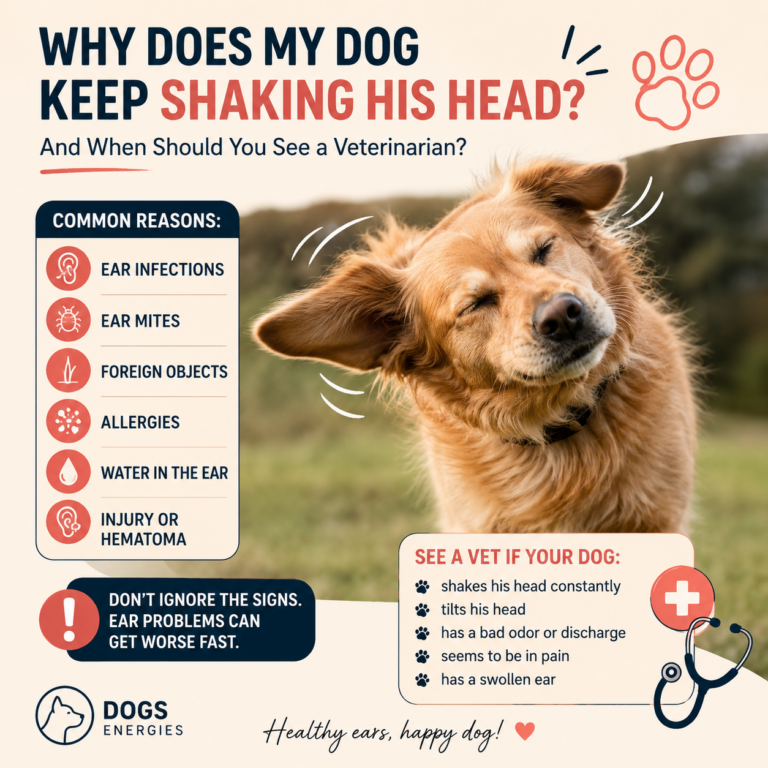
- Frequent head shaking or scratching
- Your dog holding their head at an unusual angle
- Your dog resisting because the ear seems painful
Do not put cleaner into an ear that may be infected or injured unless your veterinarian tells you to. Ask your vet before using liquid ear cleaner if your dog has a known or suspected eardrum problem, has had ear surgery, or has been told to avoid ear products.
What You’ll Need
For routine cleaning, gather:
- An ear cleaner made specifically for dogs
- Cotton balls or soft gauze
- A towel
- A few treats
If you’re looking for a product for routine ear care, I use PetGlow Natural Turmeric Dog Ear Cleaner from Celsius Herbs. Follow the product label, and check with your veterinarian if you’re unsure whether a particular cleaner is right for your dog.
Never use alcohol, hydrogen peroxide, vinegar, soap, or human ear products unless your veterinarian specifically instructs you to use them. Don’t use cotton swabs inside the ear canal.
How to Clean Your Dog’s Ears Safely
1. Choose a calm moment
Pick a time when your dog is relaxed. Let them sniff the supplies and reward calm behavior with treats. If your dog becomes frightened or uncomfortable, pause and try again another time.
2. Look at the ear before you start
Gently lift the ear flap and look at the visible part of the ear. If you see redness, swelling, discharge, or anything that looks painful, stop and contact your veterinarian.
3. Apply the cleaner as directed
Follow the instructions on the cleaner’s label. Keep the bottle tip from touching the ear. Use only the amount recommended by the manufacturer or your veterinarian.
4. Gently massage the base of the ear
If your dog is comfortable, gently massage the base of the ear for the amount of time recommended on the product label. Stop if your dog shows signs of pain or distress.
5. Let your dog shake their head
Your dog may shake their head after the cleaner is applied. This can help loosen debris. Keep a towel nearby.
Frequent head shaking can have several causes. Read more about why dogs keep shaking their heads and when to see a veterinarian.
6. Wipe only what you can see
Use a cotton ball or soft gauze to wipe away loosened wax or cleaner from the visible part of the ear. Don’t push the cotton or gauze down into the ear canal.
If your dog’s ears seem painful, or you can’t clean them without struggling, stop and ask your veterinarian for help.
How Often Should You Clean Your Dog’s Ears?
There isn’t one schedule that works for every dog. Some dogs need occasional cleaning, while others may need a routine recommended by their veterinarian. Some healthy dogs may not need routine cleaning at all.
Check your dog’s ears regularly for changes, especially after swimming or bathing. Dry the outer ear gently if it gets wet. Ask your veterinarian to recommend a cleaning schedule based on your dog’s health and history.
How Can You Help Keep Your Dog’s Ears Healthy?
A few simple habits can help you notice problems early:
- Check your dog’s ears regularly.
- After swimming or bathing, gently dry the outer ear if it is wet.
- Use only a dog ear cleaner recommended by your veterinarian or suitable for your dog.
- Avoid inserting cotton swabs or other objects into the ear canal.
- Contact your veterinarian if you notice a new smell, discharge, redness, itching, or discomfort.
Learn more about why dogs may get ear infections more often in summer and how to reduce the risk.
Routine cleaning cannot prevent every ear problem. If your dog has repeated ear trouble, ask your veterinarian about possible underlying causes and a care plan.
Common Ear-Cleaning Mistakes to Avoid
Some common mistakes can make ear care uncomfortable or irritating:
- Cleaning on a fixed schedule without checking whether your dog needs it
- Cleaning too often
- Using alcohol, hydrogen peroxide, vinegar, or human products without veterinary guidance
- Pushing cotton swabs into the ear canal
- Continuing when the ear looks inflamed or your dog appears to be in pain
- Trying to treat a possible infection with an over-the-counter cleaner
When in doubt, stop and ask your veterinarian what to do next.
If your veterinarian says home cleaning is appropriate, follow this guide to clean your dog’s ears safely at home.
My Experience
With my own dogs, I check their ears regularly and clean them only when needed. I take my time, use a dog-specific cleaner according to its directions, and stop if a dog seems uncomfortable.
Every dog is different. If your dog has recurring ear problems or you’re unsure whether cleaning is needed, your veterinarian can help you choose the right approach.
Frequently Asked Questions
No. Don’t insert cotton swabs into the ear canal. Use cotton balls or soft gauze to wipe only the visible part of the ear.
Ask your veterinarian before using saline or another solution. A dog-specific ear cleaner may be more suitable, but the right choice depends on your dog’s ears and health.
Regularly check for changes in smell, color, discharge, redness, or comfort. Your veterinarian can advise how often to clean them.
A dog may shake their head after ear cleaner is applied. If the shaking continues, your dog seems painful, or you notice other symptoms, stop cleaning and contact your veterinarian.
Contact your veterinarian if you notice a bad smell, redness, swelling, blood, pus, pain, frequent scratching, or repeated head shaking. Don’t try to treat these signs by cleaning the ear at home.
Veterinary Note
This article is for general educational purposes and does not replace veterinary advice, diagnosis, or treatment. If you’re concerned about your dog’s ears or notice new or worsening symptoms, contact your veterinarian.